


Understanding the Mechanics of Bed Lifting Mechanism Gas Springs: A Comprehensive Guide
Understanding the Mechanics of Bed Lifting Mechanism Gas Springs: A Comprehensive Guide Table of Contents 1. Introduction to Gas Springs 2. What Are Gas Springs? 3. How Do Gas Springs Work? 4. Types of Gas Springs Used in Bed Lifting Mechanisms 4.1 Standard Gas Springs 4.2 Locking Gas Springs 4.3 Adjustable Gas Springs
Release time:
2026-05-20
Understanding the Mechanics of Bed Lifting Mechanism Gas Springs: A Comprehensive Guide
Table of Contents
- 1. Introduction to Gas Springs
- 2. What Are Gas Springs?
- 3. How Do Gas Springs Work?
- 4. Types of Gas Springs Used in Bed Lifting Mechanisms
- 5. Applications of Gas Springs in Bed Lifting Mechanisms
- 6. Benefits of Using Gas Springs in Bed Lifting Mechanisms
- 7. Considerations for Choosing the Right Gas Springs
- 8. Maintenance and Care of Gas Springs
- 9. FAQs About Bed Lifting Mechanism Gas Springs
- 10. Conclusion
1. Introduction to Gas Springs
Gas springs are mechanical devices that utilize compressed gas to exert force, providing assistance in lifting and lowering mechanisms. Commonly found in a variety of applications, these springs are particularly vital in bed lifting mechanisms, ensuring smooth and reliable operation. The importance of understanding the mechanics of gas springs cannot be overstated, as they play a crucial role in enhancing functionality and user experience.
2. What Are Gas Springs?
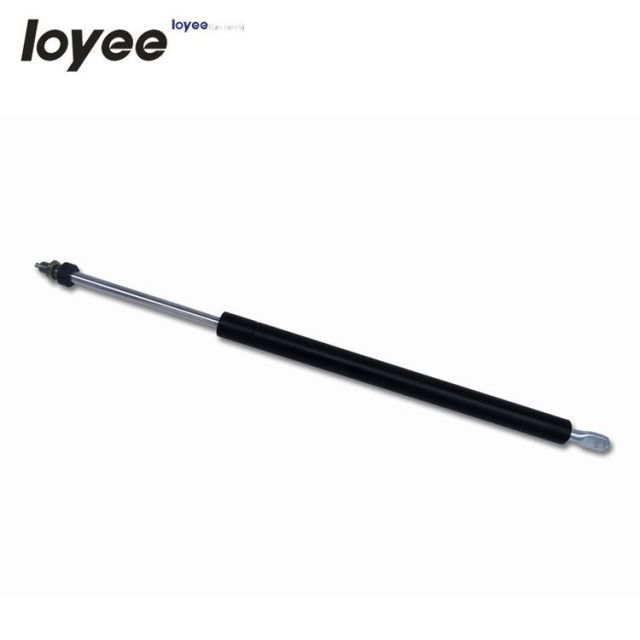
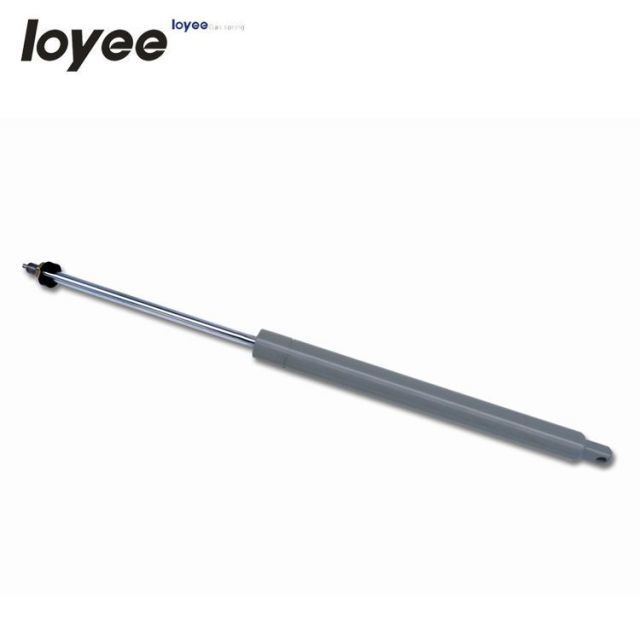
Gas springs, also known as gas struts or gas actuators, are specialized components designed to store energy in the form of compressed gas. Unlike traditional springs, which rely on metal coils, gas springs use a piston and cylinder system filled with gas, usually nitrogen. When the piston is pushed or pulled, the gas compresses or decompresses, generating a lifting force. This mechanism allows for precise control over the movement of heavy objects, making gas springs indispensable in various applications, especially in furniture like beds.
3. How Do Gas Springs Work?
Understanding how gas springs function is essential for appreciating their role in bed lifting mechanisms. The core components of a gas spring include:
- **Cylinder**: A sealed metal tube that houses the piston and gas.
- **Piston**: A rod that moves within the cylinder, compressing the gas as it moves.
- **Gas Charge**: Usually nitrogen, which provides the force needed for lifting.
When a load is applied, the piston moves inward, compressing the gas and creating pressure. This pressure acts against the force of gravity, allowing the user to lift or lower the bed effortlessly. The mechanism can be designed to control the speed and force of the lift, making it adaptable to different needs.
4. Types of Gas Springs Used in Bed Lifting Mechanisms
Different types of gas springs are available, each tailored to specific requirements in bed lifting mechanisms. Understanding these types helps in selecting the appropriate spring for your needs.
4.1 Standard Gas Springs
Standard gas springs offer basic functionality, providing consistent lifting force without additional features. They are ideal for applications where simple and reliable operation is required.
4.2 Locking Gas Springs
Locking gas springs feature a mechanism that allows them to lock in place at specific positions. This is particularly useful in beds that require adjustable heights, providing stability and safety when in use.
4.3 Adjustable Gas Springs
Adjustable gas springs allow users to modify the force exerted, catering to different weight requirements. This flexibility makes them suitable for various applications, enhancing user comfort and control.
5. Applications of Gas Springs in Bed Lifting Mechanisms
Gas springs are widely utilized in bed lifting mechanisms across various types of furniture, including:
- **Murphy Beds**: Gas springs facilitate the easy lifting and lowering of wall beds.
- **Adjustable Beds**: In medical and luxury settings, gas springs support adjustable head and foot positions.
- **Storage Beds**: Gas springs help lift heavy mattress platforms to access storage compartments beneath.
The versatility of gas springs makes them an essential component in modern bed designs, enhancing both functionality and user experience.
6. Benefits of Using Gas Springs in Bed Lifting Mechanisms
Incorporating gas springs into bed lifting mechanisms offers several advantages:
- **Ease of Use**: Gas springs enable smooth, one-handed operation, making it easy for users to lift and lower their beds.
- **Safety**: The controlled movement of gas springs reduces the risk of injuries associated with heavy lifting.
- **Durability**: Gas springs are designed to withstand significant wear and tear, providing long-lasting performance.
- **Space Efficiency**: Gas springs allow for the design of compact and versatile furniture that can fit in smaller spaces.
These benefits make gas springs an excellent choice for enhancing the practicality and appeal of bed lifting mechanisms.
7. Considerations for Choosing the Right Gas Springs
Selecting the appropriate gas springs for bed lifting mechanisms involves several critical factors:
- **Load Capacity**: Determine the weight of the mattress and any additional load to select a gas spring that can handle it effectively.
- **Stroke Length**: The distance the piston travels affects how high the bed can be lifted; ensure the stroke length fits your design.
- **Mounting Options**: Assess the installation requirements and ensure the chosen gas spring fits your bed design.
- **Environmental Factors**: Consider the conditions (temperature, humidity) in which the gas springs will operate to ensure their longevity and reliability.
Taking these factors into account ensures optimal performance and safety in bed lifting mechanisms.
8. Maintenance and Care of Gas Springs
Proper maintenance of gas springs is vital to ensure their longevity and performance. Here are a few essential tips:
- **Regular Inspection**: Periodically check for signs of wear, such as leaks or reduced performance.
- **Clean Maintenance**: Dust and debris can hinder the functionality; keep the gas springs clean.
- **Avoid Excessive Force**: Do not exceed the load capacity of the gas springs, as this can lead to failure.
By following these maintenance practices, you can prolong the life of your gas springs and ensure reliable operation.
9. FAQs About Bed Lifting Mechanism Gas Springs
1. What is the average lifespan of a gas spring?
The lifespan of a gas spring can vary depending on usage, but most can last anywhere from 20,000 to 50,000 cycles.
2. Can I install gas springs myself?
While it is possible to install gas springs yourself, it is recommended to consult a professional to ensure proper installation and safety.
3. Are gas springs adjustable?
Yes, some gas springs are adjustable, allowing users to modify the lifting force according to their needs.
4. What materials are gas springs made from?
Gas springs are typically made from high-strength steel for the cylinder and piston, which provides durability and resistance to wear.
5. How do I know which gas spring to choose for my bed?
Consider the weight capacity, stroke length, and mounting options to select the most suitable gas spring for your specific bed lifting mechanism.
10. Conclusion
Understanding the mechanics of bed lifting mechanism gas springs is essential for anyone involved in the design, manufacturing, or use of such systems. With their ability to enhance functionality, ensure safety, and improve user experience, gas springs are a critical component in modern furniture design. By considering the types, applications, benefits, and maintenance of gas springs, one can make informed decisions that lead to effective and reliable bed lifting solutions. Embracing the technology behind gas springs not only optimizes the utility of furniture but also contributes to a safer and more user-friendly environment.
bed lifting mechanism gas spring
Latest information


Ever-improving quality and service is our commitment in daily operations.We strive to deliver high-quality products and exceptional service.
Gas spring
Quick link

Tel: +86-519-86483059
Fax: +86-519-86484613
Phone: +86-13906118963
Add: No.2 Longju Road.Wujin Hi-tech Lndustrial Zone.Changzhou.Jiangsu.China