


Understanding Tool Chest Gas Springs: Essential Insights for Manufacturers
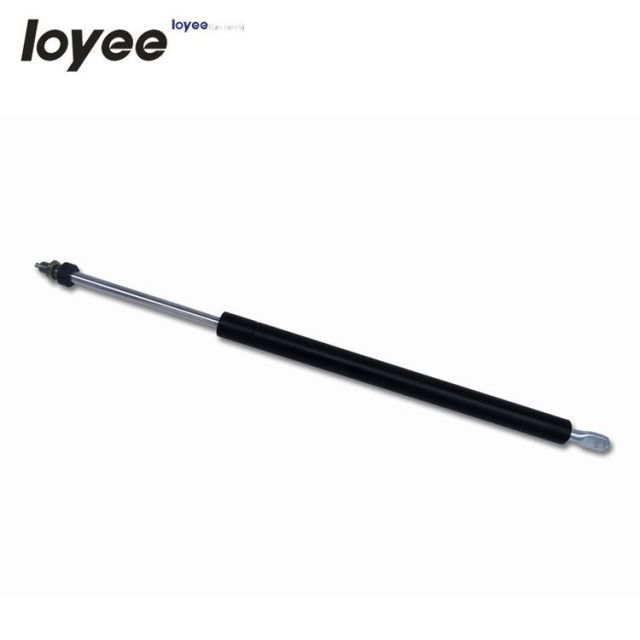
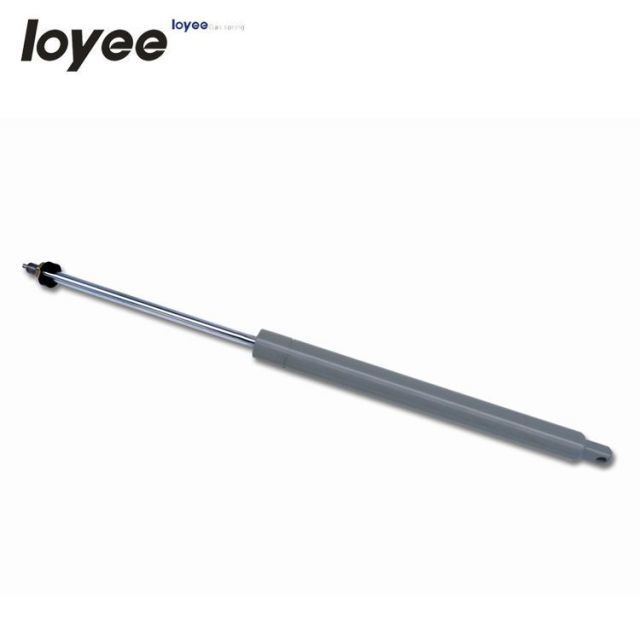
Tool chest gas springs, often referred to as gas struts, play a crucial role in the functionality and safety of tool chests in various manufacturing environments. These gas springs are designed to assist the opening and closing of tool chest lids, providing a smooth motion that enhances user experience. Understanding their mechanics is essential for any professional involved in the design or manuf
Release time:
2026-08-16
At their core, tool chest gas springs use compressed gas to create a force that supports the weight of the lid. This mechanism not only aids in easy access but also prevents sudden closures that could lead to accidents or damage. The gas spring typically consists of a cylinder filled with gas that is sealed with a piston. When the lid is lifted, the piston moves within the cylinder, and the gas pressure pushes it upward. This design ensures that the lid can be opened with minimal effort while remaining securely in position when open.
Choosing the right tool chest gas spring is critical for optimal performance. Factors to consider include the required force, the length of the extension, and the mounting style. Each application may have different specifications, so it’s essential to match the gas spring to the specific needs of the tool chest design. Additionally, it’s important to consider the working environment. Gas springs can be affected by temperature fluctuations, so selecting a product that can withstand your working conditions will ensure longevity and reliability.
Regular maintenance of tool chest gas springs is also vital. Over time, gas springs can lose pressure, leading to reduced functionality. It's advisable to conduct periodic checks to ensure that they operate smoothly and replace any that show signs of wear or malfunction. Proper installation and alignment are equally important to maximize their lifespan and effectiveness.
In summary, tool chest gas springs are integral components that significantly enhance the usability of tool chests in manufacturing settings. They provide ease of use, promote safety, and contribute to the overall efficiency of operations. By understanding their function, choosing the right specifications, and maintaining them properly, professionals can ensure that their tool chests remain a reliable asset in their workflow.
tool chest gas spring
Previous Page
Previous Page
Latest information


Ever-improving quality and service is our commitment in daily operations.We strive to deliver high-quality products and exceptional service.
Gas spring
Quick link

Tel: +86-519-86483059
Fax: +86-519-86484613
Phone: +86-13906118963
Add: No.2 Longju Road.Wujin Hi-tech Lndustrial Zone.Changzhou.Jiangsu.China