


Optimizing Lift Support: The Role of Gas Struts in Furniture Design
Gas struts, also known as gas springs, play a crucial role in the design and functionality of furniture pieces requiring lift or support mechanisms. These components are often used in various applications, including lifting and lowering tabletops, beds, storage compartments, and more. Understanding the significance of gas struts for furniture lift support can help manufacturers and designers creat
Release time:
2026-08-10
One of the primary advantages of gas struts is their ability to provide smooth and controlled motion. Unlike traditional mechanical springs, gas struts are filled with compressed gas, which allows for a consistent lifting force. This feature is particularly important in furniture applications, where users expect seamless operation without sudden jolts or excessive force. The controlled movement offered by gas struts enhances the user experience and reduces the risk of damage to both the furniture and its contents.
Safety is another critical consideration when integrating gas struts into furniture designs. High-quality gas struts are equipped with safety features that prevent sudden release or failure. This is especially important for heavy lifting applications, such as beds or storage cabinets. Manufacturers must ensure that the selected gas strut has appropriate weight ratings and is tested for durability to avoid potential hazards.
Furthermore, gas struts can significantly enhance the aesthetic appeal of furniture. They allow for hidden lifting mechanisms, contributing to a sleek and modern design. When properly integrated, gas struts can create a minimalistic look without compromising functionality. This aspect is increasingly important in today's market, where consumers seek both style and practicality.
In addition to their functional benefits, gas struts are also highly customizable. Manufacturers can choose from various sizes, stroke lengths, and force ratings to suit specific furniture designs. This level of customization allows designers to optimize the lift support based on the intended use and user demographics, ensuring that the final product meets customer needs.
In conclusion, the incorporation of gas struts for furniture lift support provides numerous advantages in terms of functionality, safety, and aesthetics. Their ability to offer controlled motion, enhance safety, and contribute to modern design makes them an essential component in furniture manufacturing. As the industry continues to evolve, the demand for innovative solutions like gas struts will only grow, encouraging manufacturers to stay at the forefront of technology and design trends. By understanding the pivotal role that gas struts play, professionals can improve their products and satisfy customer expectations effectively.
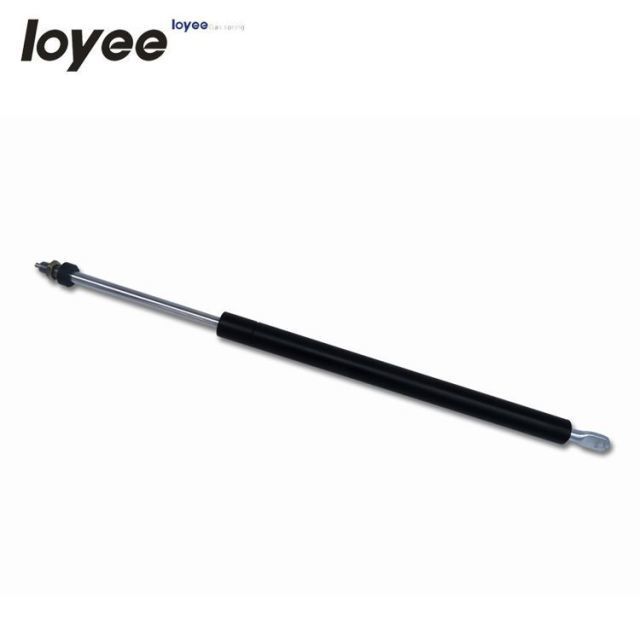
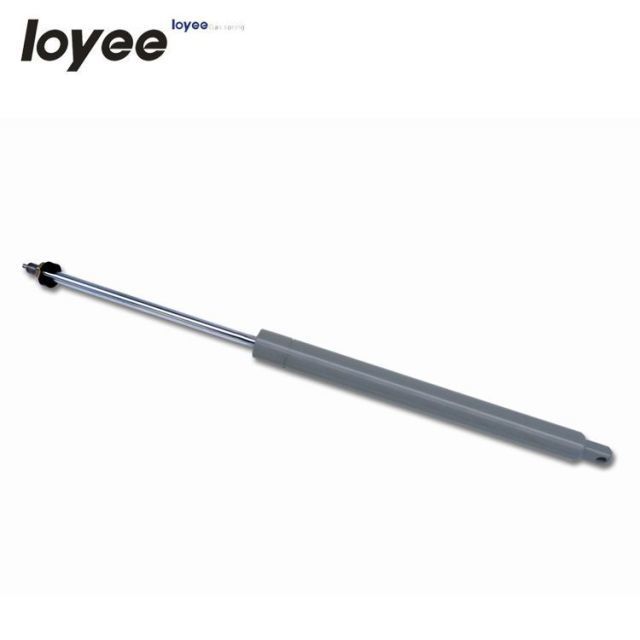
gas strut for furniture lift support
Previous Page
Latest information


Ever-improving quality and service is our commitment in daily operations.We strive to deliver high-quality products and exceptional service.
Gas spring
Quick link

Tel: +86-519-86483059
Fax: +86-519-86484613
Phone: +86-13906118963
Add: No.2 Longju Road.Wujin Hi-tech Lndustrial Zone.Changzhou.Jiangsu.China