


Optimizing Gas Springs for Folding Bed Mechanisms: A Technical Guide
Gas springs are increasingly utilized in folding bed mechanisms due to their ability to provide controlled movement, support, and stability. These devices are gas-filled cylinders that exert a force when compressed, making them ideal for applications requiring smooth and reliable operation. In the context of folding beds, gas springs enhance user experience by facilitating effortless opening and c
Release time:
2026-05-23
When integrating gas springs into folding bed designs, several key factors should be considered. Firstly, the force exerted by the gas spring must be carefully calculated to match the weight of the bed frame and mattress. This ensures that the bed can be opened and closed with minimal effort while maintaining safety and stability. The force rating of gas springs typically varies, allowing manufacturers to choose the appropriate model based on the specific application requirements.
Another critical aspect involves the mounting mechanisms of the gas springs. Proper installation is essential for optimal performance, and the orientation of the gas spring can significantly affect its functionality. For instance, side-mounted gas springs may offer different leverage points compared to those mounted at the end of the frame. Therefore, understanding the mechanics of the folding bed design is vital to determining the best mounting options.
Additionally, the durability and lifespan of gas springs should not be overlooked. Selecting high-quality materials that can withstand repeated use and environmental factors is crucial for ensuring longevity. Manufacturers often specify the number of cycles a gas spring can endure without compromising performance, which is an important consideration when designing folding beds intended for frequent use.
In terms of design flexibility, gas springs can be customized to meet specific dimensional and functional requirements. This adaptability allows engineers to create innovations in folding bed designs, integrating gas springs that fit seamlessly into the overall aesthetic while providing functional benefits. Customization can also involve adjusting the length and stroke of the gas spring to achieve the desired pivot or lift characteristics.
In conclusion, gas springs play a vital role in the functionality and user-friendliness of folding bed mechanisms. By understanding the force requirements, installation methods, durability considerations, and customization options, manufacturers can enhance the design and performance of folding beds. This knowledge empowers professionals in the manufacturing sector to make informed decisions when selecting the right gas springs for their specific applications.
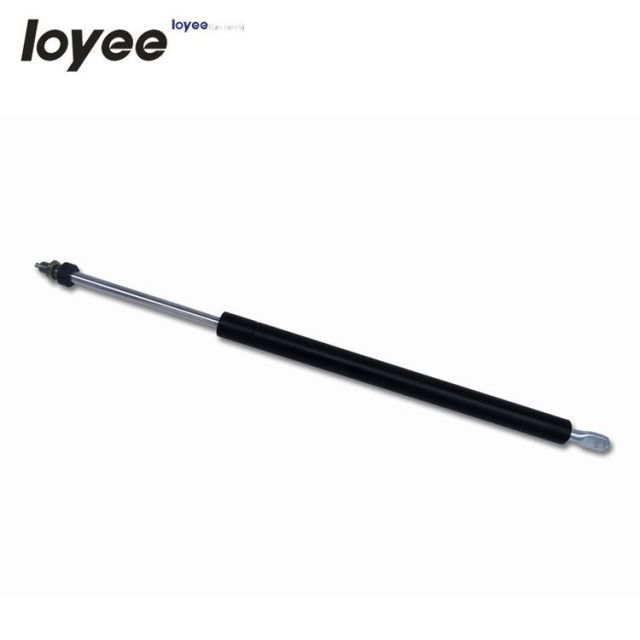
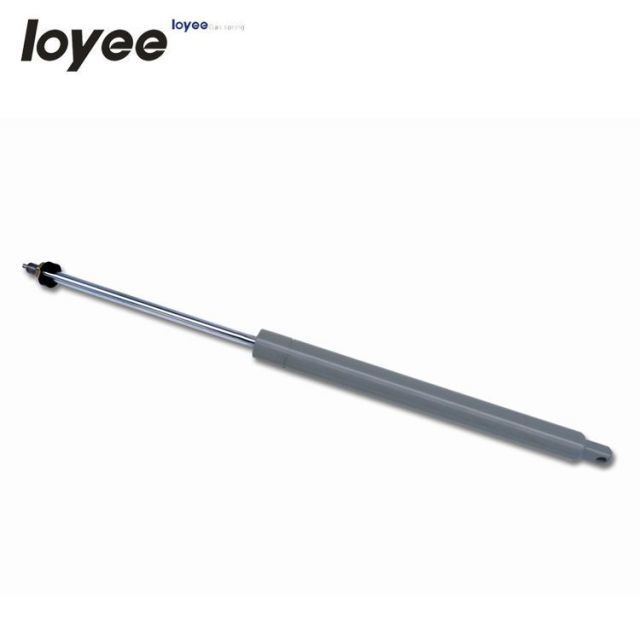
gas spring for folding bed mechanisms
Latest information


Ever-improving quality and service is our commitment in daily operations.We strive to deliver high-quality products and exceptional service.
Gas spring
Quick link

Tel: +86-519-86483059
Fax: +86-519-86484613
Phone: +86-13906118963
Add: No.2 Longju Road.Wujin Hi-tech Lndustrial Zone.Changzhou.Jiangsu.China