


Understanding Tool Chest Gas Springs: Key Features and Benefits
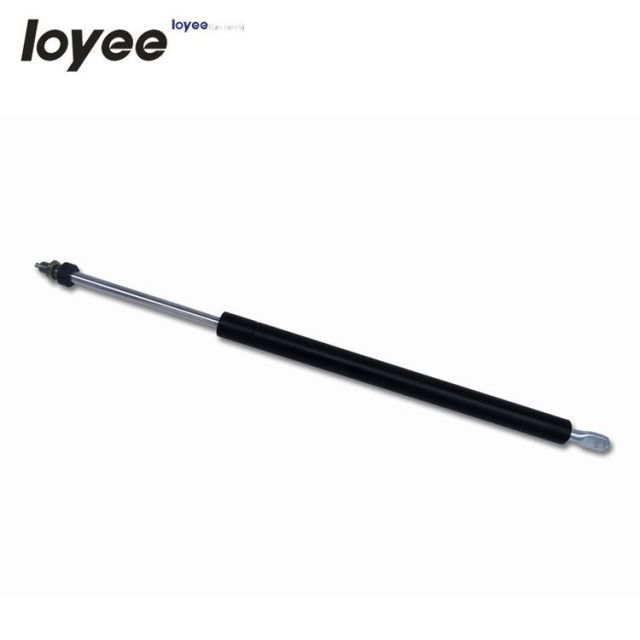
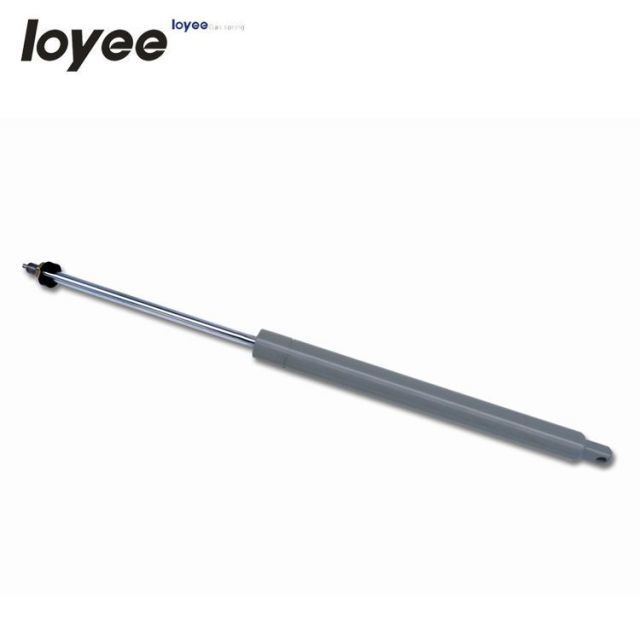
Tool chest gas springs, often referred to as gas struts, are critical components used to facilitate the smooth opening and closing of tool chest lids and drawers. These springs utilize compressed gas to provide support and counterbalance the weight of the lid or drawer, making it easier for users to operate their tool storage systems. Understanding the features and benefits of tool chest gas sprin
Release time:
2026-05-17
One of the primary advantages of tool chest gas springs is their ability to offer controlled motion. Unlike traditional mechanical springs, gas springs provide a smooth and consistent force throughout their range of motion. This is particularly beneficial for heavier tool chests, where sudden movement can lead to accidents or damage. By incorporating gas springs, manufacturers can ensure that tool chests open gradually and remain in position, preventing abrupt closures that could potentially harm users or tools.
Another vital aspect of tool chest gas springs is their adjustable force capabilities. The amount of pressure inside the gas spring can be tailored to accommodate the specific weight and dimensions of the tool chest. This customization ensures that the gas spring provides optimal support, allowing for a more efficient and ergonomic user experience. Additionally, many gas springs are designed to be easily replaced, simplifying maintenance should the need arise.
Durability is another key feature of tool chest gas springs. Constructed from high-quality materials, these components are engineered to withstand repeated usage over extended periods. They are resistant to various environmental factors, which makes them suitable for both indoor and outdoor applications. This reliability is crucial in manufacturing environments where tool chests are frequently opened and closed, ensuring that they perform consistently across time and usage.
Moreover, tool chest gas springs contribute to the overall safety of tool storage systems. By providing a controlled opening and closing mechanism, they help to minimize the risk of injuries caused by sudden lid closures. This safety feature is particularly important in busy manufacturing or machining environments, where the risk of accidents can be high.
In summary, tool chest gas springs play a vital role in enhancing the functionality, safety, and durability of tool storage solutions. Their ability to provide controlled motion, adjust force based on specific needs, and ensure longevity makes them an indispensable component in the manufacturing and machining industries. By integrating these gas springs into tool chests, manufacturers can optimize user experience while ensuring that their tools are stored securely and accessed safely.
tool chest gas spring
Latest information


Ever-improving quality and service is our commitment in daily operations.We strive to deliver high-quality products and exceptional service.
Gas spring
Quick link

Tel: +86-519-86483059
Fax: +86-519-86484613
Phone: +86-13906118963
Add: No.2 Longju Road.Wujin Hi-tech Lndustrial Zone.Changzhou.Jiangsu.China