


Understanding Gas Springs for Folding Bed Mechanisms: A Comprehensive Guide
Gas springs, often referred to as gas struts or gas dampers, are increasingly used in folding bed mechanisms due to their unique properties and advantages. These components are designed to provide controlled motion and support, making them ideal for applications where space-saving designs are essential, such as in folding beds. Understanding how gas springs function and their benefits can signific
Release time:
2026-02-14
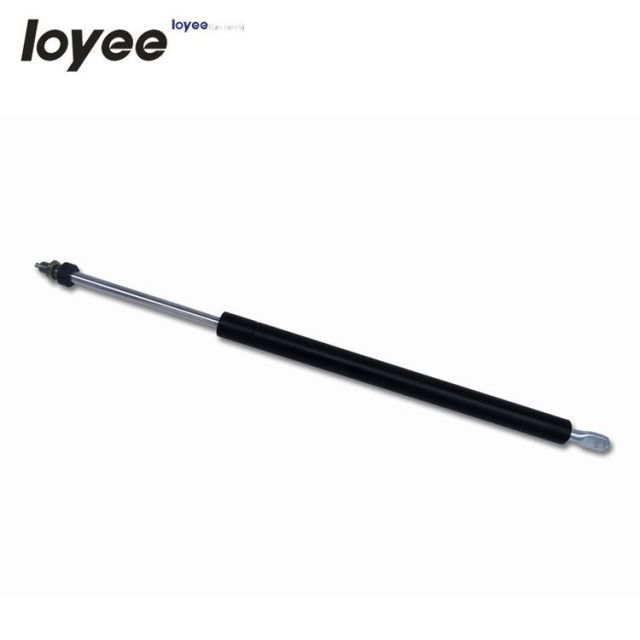
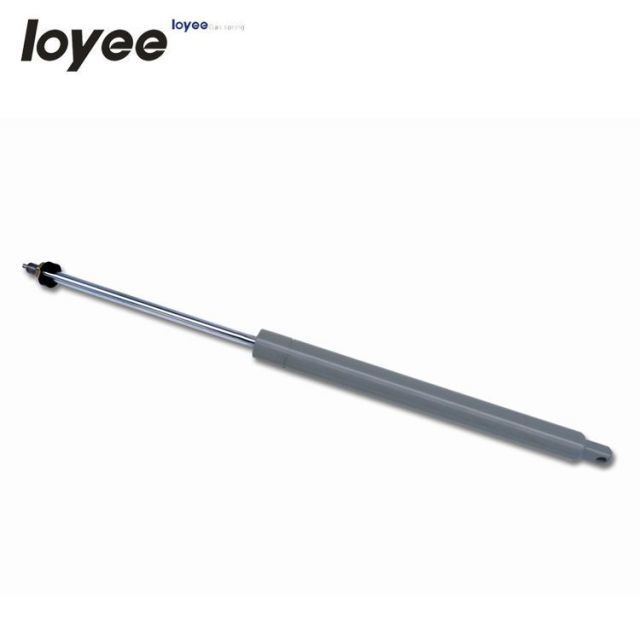
At the core of a gas spring is a sealed cylinder filled with nitrogen gas. This gas is pressurized, allowing the gas spring to exert force in a controlled manner. When the folding bed is opened or closed, the gas spring provides the necessary lift and support, ensuring smooth operation. The gas spring's ability to maintain consistent force throughout its stroke is crucial for the stability and safety of the folding bed, preventing sudden drops or jerky movements that could lead to accidents or damage.
One of the primary benefits of using gas springs in folding bed mechanisms is their ability to provide adjustable resistance. This feature allows manufacturers to customize the lifting force based on the specific requirements of the bed design. For instance, heavier beds may require more robust gas springs, while lighter models can utilize smaller, more efficient options. This versatility makes gas springs a preferred choice for designers looking to enhance user experience without compromising safety.
Moreover, gas springs are compact and lightweight, making them an excellent fit for space-constrained applications like folding beds. Their installation does not require significant modifications to the bed frame, allowing for seamless integration into existing designs. The reduced weight of gas springs also contributes to the overall portability of folding beds, making them easier to transport and set up.
In addition to their mechanical advantages, gas springs are known for their longevity and reliability. With proper maintenance, they can operate effectively for thousands of cycles, making them a cost-effective solution in the long run. Their resistance to wear and tear is particularly beneficial in high-usage environments, such as in hotels or multipurpose rooms where folding beds are frequently deployed.
In conclusion, gas springs play a pivotal role in the performance and functionality of folding bed mechanisms. By understanding their operational principles and benefits, professionals in the manufacturing sector can leverage this knowledge to improve their designs and meet the demands of today's consumers. Whether you are developing new folding bed models or optimizing existing ones, incorporating gas springs into your mechanisms will undoubtedly enhance user satisfaction and safety.
gas spring for folding bed mechanisms
Latest information


Ever-improving quality and service is our commitment in daily operations.We strive to deliver high-quality products and exceptional service.
Gas spring
Quick link

Tel: +86-519-86483059
Fax: +86-519-86484613
Phone: +86-13906118963
Add: No.2 Longju Road.Wujin Hi-tech Lndustrial Zone.Changzhou.Jiangsu.China