


Innovative Design: The Future of Bed Lifting Mechanism Gas Springs
Innovative Design: The Future of Bed Lifting Mechanism Gas Springs Table of Contents 1. Introduction to Bed Lifting Mechanism Gas Springs 2. The Importance of Innovative Design in Gas Springs 3. How Gas Springs Work in Bed Lifting Mechanisms 4. Advanced Materials and Technology in Modern Gas Springs 5. Key Design Considerations for Bed Lifting Mechanisms 6. Applications of
Release time:
2026-02-12
Innovative Design: The Future of Bed Lifting Mechanism Gas Springs
Table of Contents
- 1. Introduction to Bed Lifting Mechanism Gas Springs
- 2. The Importance of Innovative Design in Gas Springs
- 3. How Gas Springs Work in Bed Lifting Mechanisms
- 4. Advanced Materials and Technology in Modern Gas Springs
- 5. Key Design Considerations for Bed Lifting Mechanisms
- 6. Applications of Bed Lifting Mechanism Gas Springs
- 7. Future Trends in Gas Spring Design and Functionality
- 8. Conclusion
- 9. Frequently Asked Questions
1. Introduction to Bed Lifting Mechanism Gas Springs
Bed lifting mechanism gas springs have revolutionized the way we utilize space in our homes and offices. These innovative devices offer a seamless experience for lifting and lowering bed frames, allowing easy access to under-bed storage. As the demand for multifunctional furniture continues to rise, gas springs have become an essential component in modern design. Their ability to provide controlled motion, coupled with their aesthetic appeal, makes them a favorite among furniture manufacturers and consumers alike.
2. The Importance of Innovative Design in Gas Springs
Innovative design is crucial in enhancing the performance and longevity of gas springs. As furniture becomes increasingly sophisticated, the mechanisms that support it must also evolve. The integration of new technologies and materials contributes to greater efficiency, safety, and user satisfaction. By focusing on innovative design, manufacturers can create gas springs that not only meet but exceed consumer expectations.
2.1 Enhancing User Experience
The design of bed lifting gas springs directly impacts user experience. A well-engineered gas spring allows smooth operation, reducing the effort needed to lift or lower a bed. This is particularly beneficial for individuals with mobility challenges, ensuring that everyone can enjoy the convenience of a multi-functional bed.
2.2 Sustainability Considerations
With growing environmental concerns, innovative designs often emphasize sustainability. Manufacturers are exploring eco-friendly materials and production processes, ensuring that gas springs are not only efficient but also reduce their environmental footprint.
3. How Gas Springs Work in Bed Lifting Mechanisms
Gas springs operate based on the principles of hydraulics. Inside the gas spring, a piston is contained within a cylinder filled with gas, typically nitrogen. When the piston is pushed down, the gas is compressed, creating resistance. This controlled resistance allows for smooth lifting and lowering motions.
3.1 Components of a Gas Spring
Understanding the components of a gas spring helps in appreciating its functionality. Key components include:
- **Cylinder**: Houses the gas and piston.
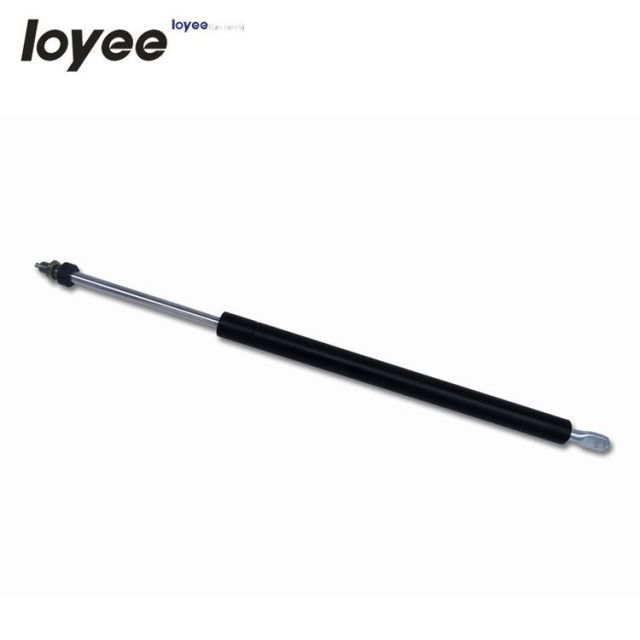
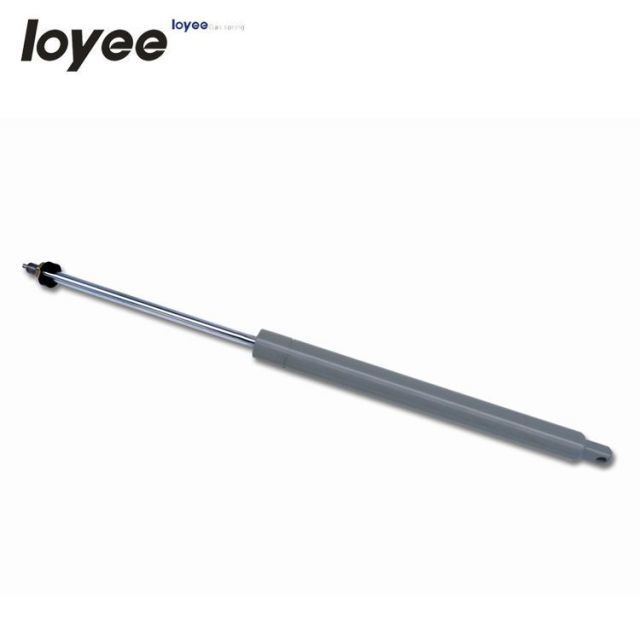
- **Piston rod**: Connects to the furniture, transferring force.
- **Seals**: Prevent gas leakage and maintain pressure.
3.2 The Mechanics of Lifting
When a user pushes down on the bed, the gas spring compresses, storing energy. Upon release, the stored energy provides the necessary force to lift the bed back into position, ensuring effortless operation.
4. Advanced Materials and Technology in Modern Gas Springs
The future of bed lifting mechanism gas springs lies in the adoption of advanced materials and technology. Manufacturers are increasingly utilizing lightweight, durable materials that enhance performance while reducing weight.
4.1 Composite Materials
Composite materials offer a unique balance of strength and weight, making them ideal for gas spring manufacturing. These materials improve the overall performance and longevity of the gas springs, allowing for more versatile applications.
4.2 Smart Technology Integration
The integration of smart technology is transforming gas springs. Features such as built-in sensors to monitor usage and wear can provide users with valuable data, enhancing safety and usability.
5. Key Design Considerations for Bed Lifting Mechanisms
Designing effective bed lifting mechanisms requires careful consideration of various factors. These include:
5.1 Weight Capacity
It is essential to determine the weight capacity of the gas springs based on the bed design and intended use. Proper weight distribution ensures safety and longevity.
5.2 Dimensional Constraints
Space limitations in furniture design necessitate precise measurements. Gas springs must be designed to fit within specific dimensional constraints while maintaining functionality.
5.3 Aesthetic Integration
Modern consumers value aesthetics alongside functionality. Gas springs should be designed to blend seamlessly with the overall look of the furniture.
6. Applications of Bed Lifting Mechanism Gas Springs
Gas springs are not limited to beds alone; they find applications in various furniture designs, enhancing versatility and user convenience.
6.1 Storage Beds
One of the most common applications of gas springs is in storage beds. These beds utilize the lifting mechanism to provide access to spacious under-bed storage, making them ideal for small living spaces.
6.2 Adjustable Desks
Gas springs are increasingly being used in adjustable desks to allow users to switch between sitting and standing positions easily. This added functionality promotes health and wellness in the workplace.
7. Future Trends in Gas Spring Design and Functionality
As technology continues to evolve, we can expect several trends to shape the future of gas springs.
7.1 Increased Customization
Customization options will become more prevalent, allowing consumers to choose gas springs tailored to their specific needs and preferences.
7.2 Enhanced Sustainability Practices
The furniture industry is moving towards more sustainable practices. Future gas springs will likely utilize recyclable materials and energy-efficient manufacturing processes.
7.3 Integration with Smart Home Systems
As smart home technology becomes more integrated into daily life, gas springs will likely feature compatibility with smart home systems, enhancing convenience and functionality.
8. Conclusion
Innovative design in bed lifting mechanism gas springs is crucial for creating multifunctional, efficient, and aesthetically pleasing furniture. As we venture further into an era of advanced materials and smart technology, these gas springs will continue to evolve, offering endless possibilities for the future of furniture design. Embracing these innovations not only enhances user experience but also contributes to a more sustainable and efficient industry.
9. Frequently Asked Questions
What are bed lifting mechanism gas springs?
Bed lifting mechanism gas springs are devices that assist in lifting and lowering bed frames effortlessly, enhancing functionality and ease of access to under-bed storage.
How do gas springs work?
Gas springs operate using compressed gas within a cylinder, allowing for controlled lifting and lowering motions based on hydraulic principles.
What materials are used in gas spring manufacturing?
Manufacturers often use lightweight composites and durable metals to create gas springs, ensuring they can withstand daily use while remaining efficient.
Can gas springs be customized?
Yes, many manufacturers offer customization options for gas springs, tailoring them to meet specific weight capacities and dimensional requirements.
What are the future trends for bed lifting mechanism gas springs?
Future trends include increased customization, enhanced sustainability practices, and integration with smart home technology to improve user convenience and efficiency.
bed lifting mechanism gas spring
Latest information


Ever-improving quality and service is our commitment in daily operations.We strive to deliver high-quality products and exceptional service.
Gas spring
Quick link

Tel: +86-519-86483059
Fax: +86-519-86484613
Phone: +86-13906118963
Add: No.2 Longju Road.Wujin Hi-tech Lndustrial Zone.Changzhou.Jiangsu.China