


Understanding the Mechanics of Soft Close Gas Springs for Cupboards
Understanding the Mechanics of Soft Close Gas Springs for Cupboards Table of Contents Introduction to Soft Close Gas Springs What Are Soft Close Gas Springs? How Soft Close Gas Springs Work Benefits of Using Soft Close Gas Springs in Cupboards Installation Guide for Soft Close Gas Springs Maintenance and Care for Soft Close Gas Springs Troubleshooting Common Issues with Soft Close G
Release time:
2026-02-16
Understanding the Mechanics of Soft Close Gas Springs for Cupboards
Table of Contents
- Introduction to Soft Close Gas Springs
- What Are Soft Close Gas Springs?
- How Soft Close Gas Springs Work
- Benefits of Using Soft Close Gas Springs in Cupboards
- Installation Guide for Soft Close Gas Springs
- Maintenance and Care for Soft Close Gas Springs
- Troubleshooting Common Issues with Soft Close Gas Springs
- Case Studies and Applications
- Conclusion
- Frequently Asked Questions
Introduction to Soft Close Gas Springs
In modern cabinetry, **soft close gas springs** have become an essential component for enhancing functionality and user experience. These innovative devices not only facilitate the smooth operation of cupboard doors but also ensure safety and longevity in their usage. As we delve deeper into the mechanics of soft close gas springs, we will uncover the underlying technology, benefits, installation procedures, and maintenance tips that can elevate your cabinetry projects.
What Are Soft Close Gas Springs?
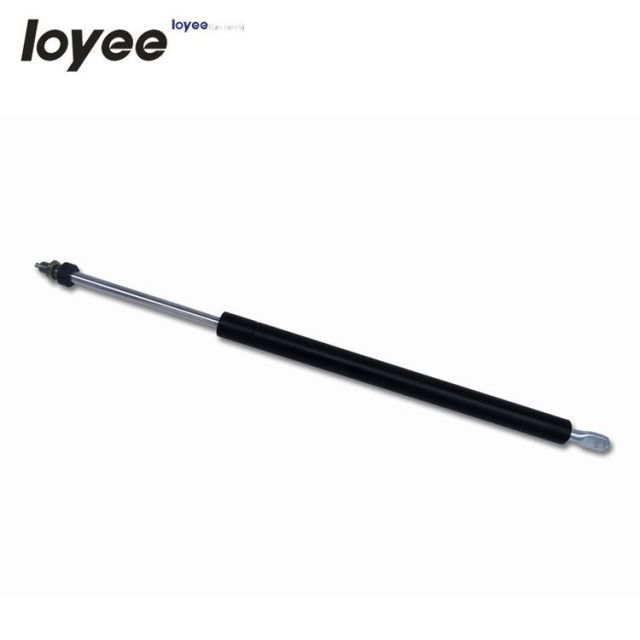
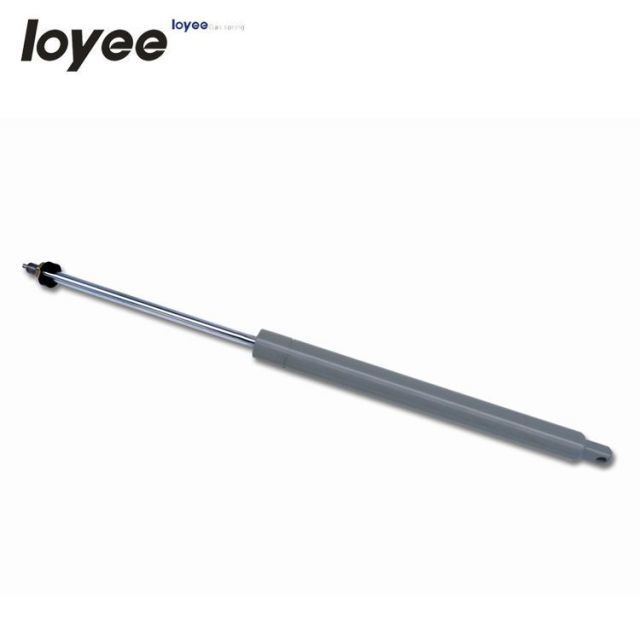
Soft close gas springs are hydraulic devices designed to control the movement of cupboard doors. They utilize gas compression to provide a gentle, controlled closure, preventing slamming and ensuring that doors close quietly and smoothly. Typically comprised of a cylinder filled with gas, a piston, and a rod, these springs are engineered to absorb shock and manage weight effectively.
The Components of Soft Close Gas Springs
The core components of soft close gas springs include:
- **Cylinder**: The outer shell that houses the gas and the piston.
- **Piston**: A movable component that creates resistance when the door is closed.
- **Rod**: An extension of the piston that connects to the door or cabinet structure.
- **Gas Charge**: Compressed gas that powers the movement and ensures smooth operation.
How Soft Close Gas Springs Work
Understanding the functionality of soft close gas springs involves examining how they operate during use. When a cupboard door is opened, the gas spring extends, providing support. As the door approaches the fully closed position, the piston within the cylinder activates, utilizing hydraulic resistance to slow the door’s motion. This gradual deceleration results in a soft closing action, eliminating the risk of slamming and wear over time.
The Physics Behind Soft Close Mechanisms
The mechanics of soft close gas springs rely on the principles of fluid dynamics and gas compression. When the piston moves within the cylinder, the gas compresses, creating resistance that slows the movement of the rod. The design allows for adjustable tension and movement speed, ensuring compatibility with various cupboard sizes and weights.
Benefits of Using Soft Close Gas Springs in Cupboards
Incorporating soft close gas springs in cabinetry presents numerous advantages, making them a popular choice among manufacturers and homeowners alike.
Enhanced Safety
Soft close gas springs provide a safer environment by preventing injuries associated with slamming doors, particularly in households with children or pets.
Increased Durability
The controlled closing mechanism minimizes wear and tear on cabinet hinges and door frames, extending the lifespan of your cabinetry.
Noise Reduction
One of the primary benefits of soft close gas springs is their ability to minimize noise levels when closing doors, creating a more tranquil living space.
Aesthetic Appeal
The smooth operation and modern technology of soft close gas springs contribute to a sleek and sophisticated appearance, enhancing the overall look of your kitchen or living area.
Installation Guide for Soft Close Gas Springs
Installing soft close gas springs can be a straightforward process if you follow a well-defined set of steps. Here, we outline a comprehensive guide to ensure a successful installation.
Tools Required
Before starting the installation, gather the following tools:
- Screwdriver
- Drill
- Measuring tape
- Level
- Soft close gas spring kit (including brackets)
Step-by-Step Installation Process
1. **Measure the Cabinet**: Determine the dimensions of your cupboard doors to select the appropriate gas spring size and strength.
2. **Mark the Positions**: Use a measuring tape to mark the locations for the brackets on both the cupboard body and door.
3. **Drill Holes**: Carefully drill pilot holes at the marked positions to facilitate easy installation of the brackets.
4. **Attach the Brackets**: Secure the brackets to the cupboard and the door using screws, ensuring they are tightly fitted and aligned correctly.
5. **Install the Gas Spring**: Connect one end of the gas spring to the cupboard body and the other end to the door, ensuring a secure fit.
6. **Test the Mechanism**: Open and close the cupboard door several times to ensure the soft close function operates smoothly.
Maintenance and Care for Soft Close Gas Springs
To ensure the longevity and optimal performance of soft close gas springs, regular maintenance is essential. Here are some recommended practices:
Regular Inspection
Periodically inspect the gas springs for signs of wear, leakage, or damage. If any issues are identified, consider replacing the springs to maintain functionality.
Cleaning
Keep the gas springs clean by wiping down the surfaces with a damp cloth to remove dust and grime. Avoid using harsh chemicals that may damage the spring's finish.
Adjustments
If you notice that the soft close mechanism is not functioning correctly, check for any alignment issues. Make necessary adjustments to the brackets or hinges to restore proper operation.
Troubleshooting Common Issues with Soft Close Gas Springs
While soft close gas springs are designed for durability, users may encounter occasional issues. Below are some common problems and their solutions.
Problem: The Door Slams Shut
- **Solution**: Inspect the gas spring for proper tension. If the tension is too low, consider replacing the spring with a stronger model.
Problem: The Door Sticks or Does Not Close Smoothly
- **Solution**: Check for obstructions or misalignment in the hinges and brackets. Adjust as necessary to ensure smooth operation.
Problem: Gas Spring Leakage
- **Solution**: If you observe any gas leakage, it’s crucial to replace the gas spring immediately, as it can compromise the soft close function.
Case Studies and Applications
Soft close gas springs are versatile and can be applied in a variety of settings beyond traditional cupboards. Here are a few examples:
Kitchen Cabinets
In modern kitchens, soft close gas springs are widely used in upper cabinets, providing ease of access while maintaining a sleek appearance.
Bathroom Vanities
Soft close mechanisms in bathroom vanities enhance the user experience, allowing for quiet and gentle closures in often cramped spaces.
Office Furniture
In office environments, soft close gas springs improve the functionality of storage units and cabinets, contributing to a more organized workspace.
Conclusion
Soft close gas springs represent a significant advancement in cabinet hardware, offering a blend of functionality, safety, and aesthetic appeal. By understanding their mechanics, benefits, and maintenance requirements, homeowners and manufacturers alike can make informed decisions that enhance their cabinetry projects. Whether you are renovating your kitchen or designing new furniture, integrating soft close gas springs will undoubtedly elevate the overall experience.
Frequently Asked Questions
1. What weight can soft close gas springs support?
Soft close gas springs are designed to support a range of weights depending on their specifications. Always check the manufacturer's guidelines to select the appropriate model for your cupboard doors.
2. Can I retrofit soft close gas springs to existing cupboards?
Yes, soft close gas springs can be retrofitted to most existing cupboards with some minor adjustments. Ensure proper measurements and compatibility with your current hardware.
3. How long do soft close gas springs last?
With proper maintenance, soft close gas springs can last several years. Regular inspections and timely replacements of worn-out components will extend their lifespan.
4. Are soft close gas springs adjustable?
Many soft close gas springs come with adjustable tension settings, allowing you to customize the closing speed and force according to your preferences.
5. Where can I purchase soft close gas springs?
Soft close gas springs are readily available at hardware stores, online retailers, and specialty cabinet hardware suppliers. Always choose reputable brands for quality assurance.
soft close gas spring for cupboard
Latest information


Ever-improving quality and service is our commitment in daily operations.We strive to deliver high-quality products and exceptional service.
Gas spring
Quick link

Tel: +86-519-86483059
Fax: +86-519-86484613
Phone: +86-13906118963
Add: No.2 Longju Road.Wujin Hi-tech Lndustrial Zone.Changzhou.Jiangsu.China