


Understanding Tool Chest Gas Springs: Enhancing Functionality and Efficiency
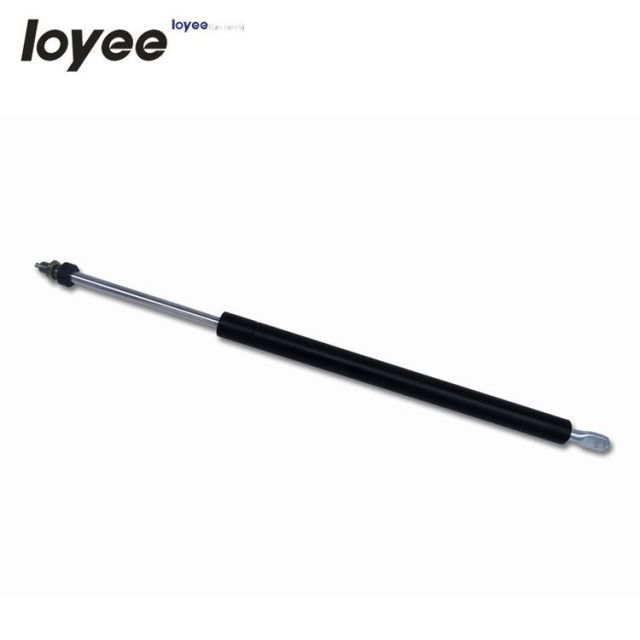
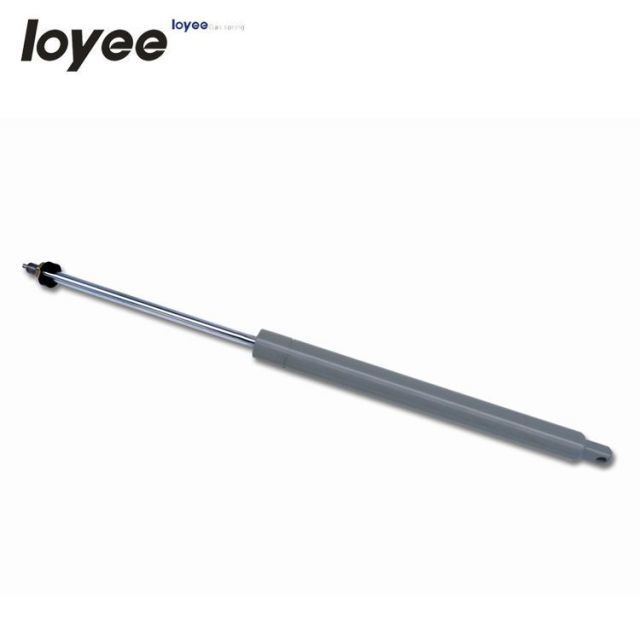
Tool chest gas springs are crucial components that play a significant role in both functional and ergonomic design in various manufacturing and mechanical industries. These specialized springs utilize gas pressure to provide controlled motion, making them ideal for a wide range of applications, including tool chests, cabinets, and other storage solutions. The primary function of a gas spring is to
Release time:
2026-02-10
The primary function of a gas spring is to assist in the smooth opening and closing of a lid or door. Unlike traditional mechanical springs, gas springs maintain a consistent force throughout their range of motion, allowing for effortless operation. This is particularly beneficial in tool chests, where heavy lids can be cumbersome and challenging to manage. By using a gas spring, users can open the lid with minimal effort, which not only enhances user experience but also reduces the risk of injury.
Manufacturers design tool chest gas springs to meet specific load requirements, which can vary based on the size and weight of the lid. The selection of the appropriate gas spring is crucial to ensure that it provides the necessary support without overextending or failing. Moreover, gas springs are available in various lengths and force ratings, allowing for customization based on the unique needs of each application.
Installation of gas springs in tool chests is typically straightforward, as they come with mounting brackets that simplify the process. Proper placement is essential to maximize their effectiveness; generally, gas springs should be installed at an angle that allows for optimal leverage when opening or closing the lid. Additionally, regular maintenance of gas springs is recommended to ensure long-term reliability. This includes checking for any signs of wear or damage and ensuring that the gas pressure remains at the recommended levels.
One of the advantages of using gas springs in tool chests is their ability to operate in various environmental conditions. Unlike traditional springs that may corrode or lose tension over time, gas springs are typically resistant to environmental factors such as moisture and dust. This durability makes them a preferred choice in workshops and industrial settings where exposure to harsh conditions is common.
In conclusion, tool chest gas springs serve as an indispensable element in enhancing both the functionality and usability of storage solutions. Their ability to provide controlled motion and ease of operation makes them ideal for various applications within the manufacturing and mechanical industries. By understanding their importance and functionality, manufacturers can create more efficient and user-friendly products that cater to the needs of their customers.
tool chest gas spring
Latest information


Ever-improving quality and service is our commitment in daily operations.We strive to deliver high-quality products and exceptional service.
Gas spring
Quick link

Tel: +86-519-86483059
Fax: +86-519-86484613
Phone: +86-13906118963
Add: No.2 Longju Road.Wujin Hi-tech Lndustrial Zone.Changzhou.Jiangsu.China