


Understanding Gas Springs for Folding Bed Mechanisms: A Comprehensive Overview
Gas springs are vital components used in various applications, particularly in folding bed mechanisms. These innovative devices utilize compressed gas to provide a reliable force, making them ideal for supporting, lifting, or lowering objects with controlled motion. Understanding how gas springs work and their benefits can help manufacturers optimize their designs and enhance user experiences. At
Release time:
2026-06-29
At their core, gas springs consist of a cylindrical chamber filled with a gas, usually nitrogen, which is sealed within a piston. When the piston moves, the gas compresses, allowing for smooth and controlled movement in both directions. This feature is especially crucial in folding bed mechanisms, where a steady and reliable opening and closing action is required. The use of gas springs significantly reduces the manual effort needed to operate these beds, making them user-friendly and safe.
One of the primary advantages of gas springs in folding bed mechanisms is their ability to provide consistent and adjustable force. This characteristic is essential when dealing with varying weights and sizes of mattresses. By selecting the appropriate gas spring, manufacturers can ensure that the beds function seamlessly, whether they are in use or being folded away for storage. This adaptability contributes to the longevity of the product and enhances overall user satisfaction.
In addition to their performance benefits, gas springs also contribute to the aesthetic appeal of folding beds. Unlike traditional mechanical springs, gas springs are compact and can be easily integrated into the design of the bed without taking up valuable space. This allows for sleeker, more modern designs that do not compromise functionality. Moreover, the quiet operation of gas springs adds to the comfort factor, as users can fold and unfold beds without disruptive noises.
When selecting gas springs for folding bed mechanisms, several factors should be considered, including the required force, stroke length, and mounting options. It is crucial for manufacturers to thoroughly assess these parameters to ensure optimal performance and safety. Proper installation and maintenance of gas springs are equally important, as they can impact the longevity and reliability of the folding bed.
In conclusion, gas springs play a significant role in the functionality and design of folding bed mechanisms. Their controlled motion, reliability, and adaptability make them an excellent choice for manufacturers looking to enhance their products. By understanding the mechanisms and benefits of gas springs, professionals in the manufacturing sector can better meet the demands of modern consumers and improve the overall quality of folding beds.
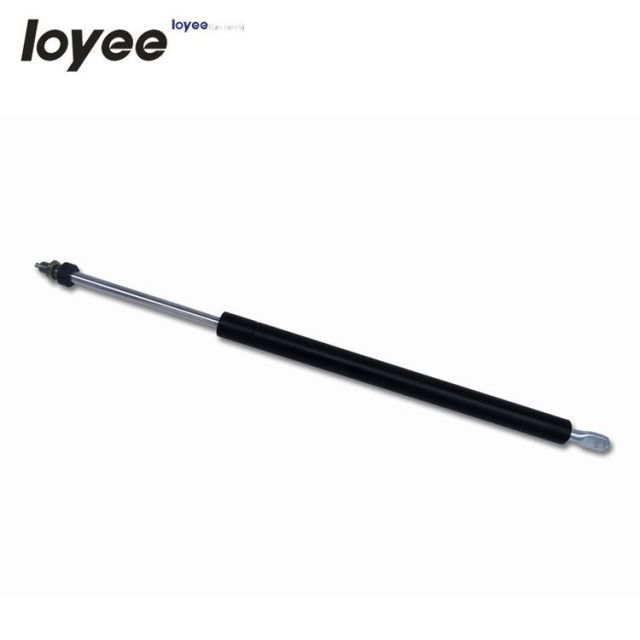
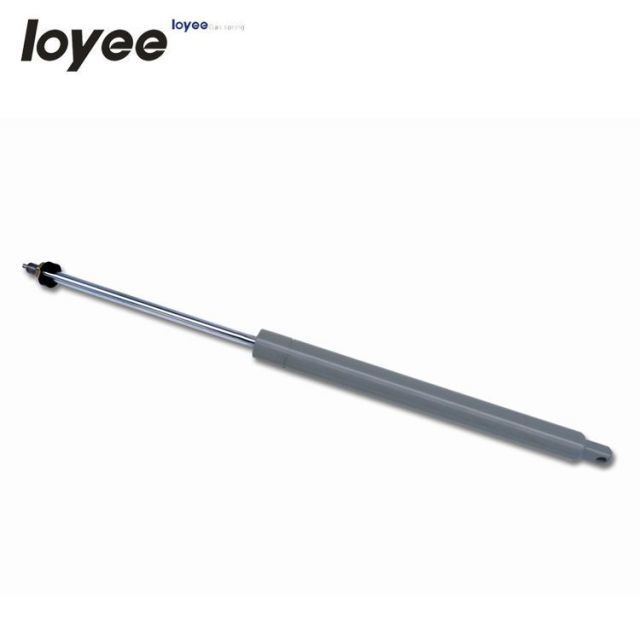
gas spring for folding bed mechanisms
Latest information


Ever-improving quality and service is our commitment in daily operations.We strive to deliver high-quality products and exceptional service.
Gas spring
Quick link

Tel: +86-519-86483059
Fax: +86-519-86484613
Phone: +86-13906118963
Add: No.2 Longju Road.Wujin Hi-tech Lndustrial Zone.Changzhou.Jiangsu.China