


Exploring the Cost-Effectiveness of Bed Lifting Mechanism Gas Springs
Exploring the Cost-Effectiveness of Bed Lifting Mechanism Gas Springs Table of Contents Introduction to Bed Lifting Mechanism Gas Springs What Are Gas Springs? Benefits of Using Gas Springs in Bed Lifting Mechanisms Analyzing Cost-Effectiveness of Gas Springs Applications of Bed Lifting Mechanism Gas Springs Comparing Costs: Gas Springs vs. Traditional Mechanisms Maint
Release time:
2026-06-26
Exploring the Cost-Effectiveness of Bed Lifting Mechanism Gas Springs
Table of Contents
- Introduction to Bed Lifting Mechanism Gas Springs
- What Are Gas Springs?
- Benefits of Using Gas Springs in Bed Lifting Mechanisms
- Analyzing Cost-Effectiveness of Gas Springs
- Applications of Bed Lifting Mechanism Gas Springs
- Comparing Costs: Gas Springs vs. Traditional Mechanisms
- Maintenance Tips for Longevity
- Frequently Asked Questions
- Conclusion
Introduction to Bed Lifting Mechanism Gas Springs
The **bed lifting mechanism gas springs** have become increasingly popular in modern furniture design due to their ability to provide effortless lifting and support. Understanding the cost-effectiveness of these components is vital for manufacturers and consumers alike. This article aims to highlight the advantages of gas springs, examine their applications, and evaluate their cost-effectiveness as compared to other lifting mechanisms.
What Are Gas Springs?
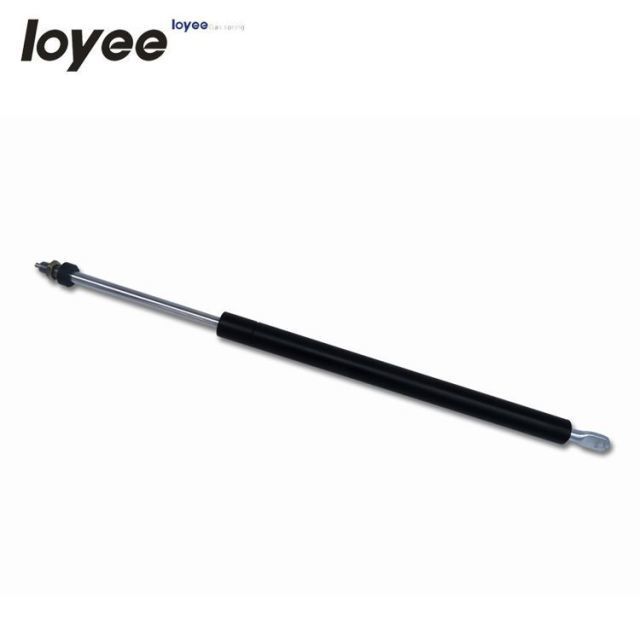
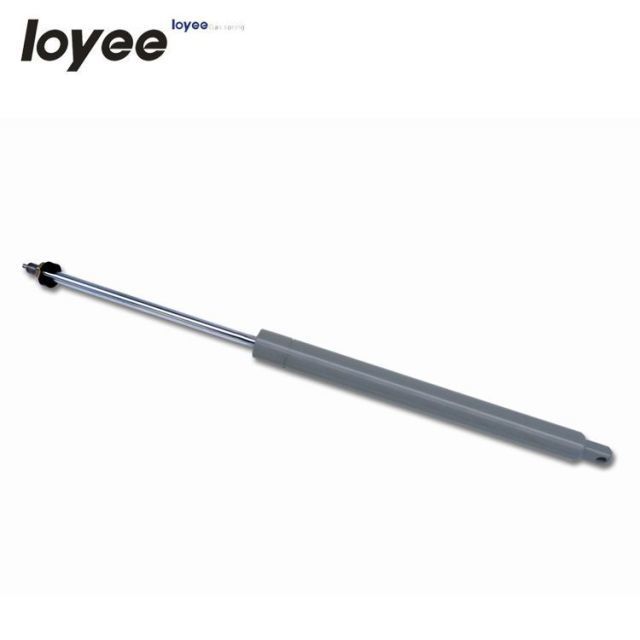
Gas springs are specialized devices that utilize compressed gas to exert a force in a controlled manner. They consist of a cylinder filled with gas and a movable rod that allows for smooth motion. The primary function of gas springs is to assist in lifting, lowering, and holding various objects in place securely.
Types of Gas Springs
There are two main types of gas springs:
1. **Pneumatic Gas Springs**: These springs use air as the working fluid and are typically lighter and more economical.
2. **Hydraulic Gas Springs**: Utilizing oil as the working fluid, hydraulic springs offer a higher load capacity and are ideal for heavier applications.
Both types have distinct advantages, and the choice between them often depends on specific requirements such as weight, load capacity, and application.
Benefits of Using Gas Springs in Bed Lifting Mechanisms
Implementing gas springs in bed lifting mechanisms provides numerous benefits that contribute to their cost-effectiveness:
1. Enhanced User Experience
Gas springs allow for smooth, silent operation, making it easy for users to lift or lower the bed without straining. This feature is especially beneficial for elderly individuals or those with physical limitations.
2. Space Efficiency
Gas springs are compact and can be incorporated into various designs without taking up excessive space. This makes them an excellent choice for modern, minimalistic furniture.
3. Durability and Reliability
Designed to withstand numerous cycles, gas springs offer a long service life. Their robust construction ensures they can handle the repetitive motion of lifting and lowering beds without compromising performance.
4. Adjustable Force
Gas springs can be customized to provide different lifting forces, making them suitable for various applications and user needs. This flexibility enhances their appeal in the market.
5. Reduced Maintenance Costs
With fewer moving parts than traditional mechanisms, gas springs require less maintenance. This feature translates to reduced costs associated with repairs and replacements over time.
Analyzing Cost-Effectiveness of Gas Springs
When analyzing the **cost-effectiveness of bed lifting mechanism gas springs**, several factors come into play, including initial investment, operational efficiency, and long-term savings.
Initial Investment vs. Long-Term Savings
While gas springs may have a higher initial cost compared to some traditional lifting mechanisms, their long-term benefits outweigh this initial expense. The durability and lower maintenance requirements lead to savings over time, making them a smart investment for manufacturers.
Operational Efficiency
Gas springs operate efficiently, which can lead to lower energy consumption rates in bed lifting applications. This efficiency not only contributes to cost savings but also promotes sustainability in manufacturing.
Applications of Bed Lifting Mechanism Gas Springs
Gas springs are widely utilized across various industries, showcasing their versatility. Here are some common applications:
1. Furniture Manufacturing
In the furniture industry, gas springs are commonly used in adjustable beds, sofas with lift mechanisms, and storage solutions. They enhance usability and user comfort.
2. Automotive Industry
Gas springs are employed in vehicles for tasks such as lifting hoods and trunks, ensuring smooth operation while improving safety and convenience for users.
3. Industrial Equipment
Many industrial applications leverage gas springs for lifting and lowering heavy machinery components, ensuring safety and efficiency in operations.
Comparing Costs: Gas Springs vs. Traditional Mechanisms
To better understand the cost-effectiveness of gas springs, it’s essential to compare them with traditional lifting mechanisms such as hydraulic systems, springs, and manual lifts.
1. Upfront Costs
While gas springs might have a higher upfront cost, traditional systems often entail higher maintenance rates and operational costs in the long run.
2. Maintenance Expenses
Gas springs require minimal maintenance compared to traditional mechanical systems, which may need regular upkeep and part replacements, leading to higher overall costs.
3. Performance and Efficiency
Gas springs typically outperform traditional systems in speed and ease of use, making them a more attractive option for both manufacturers and end-users.
Maintenance Tips for Longevity
To ensure the longevity of bed lifting mechanism gas springs, it is crucial to follow some maintenance tips:
1. Regular Inspections
Conduct periodic inspections to check for any signs of wear or damage, ensuring that the springs operate smoothly.
2. Cleanliness
Keep the gas springs clean and free from debris, as dirt can impede their function and lead to premature wear.
3. Proper Handling
Handle gas springs with care during installation and maintenance to avoid damaging the components.
4. Follow Manufacturer Guidelines
Always adhere to the manufacturer's guidelines for installation and usage to maximize the lifespan of the gas springs.
Frequently Asked Questions
1. What is the lifespan of a gas spring?
The lifespan of a gas spring can vary, but on average, they last between 20,000 to 50,000 cycles, depending on usage and maintenance.
2. Are gas springs adjustable?
Yes, many gas springs are adjustable and can be customized based on the specific lifting requirements of the application.
3. Can gas springs be repaired?
In general, gas springs are not designed for repair. Once they lose their effectiveness, they should be replaced.
4. How do I choose the right gas spring for my application?
Consider factors such as load capacity, stroke length, mounting options, and the specific application requirements when selecting a gas spring.
5. Are gas springs safe to use?
Yes, gas springs are designed with safety features to prevent accidental release and ensure stable operation when lifting or lowering objects.
Conclusion
In conclusion, **bed lifting mechanism gas springs** represent a cost-effective solution for various applications in furniture manufacturing and beyond. Their advantages, including enhanced user experience, durability, and reduced maintenance costs, make them a wise investment for manufacturers. By understanding the cost-effectiveness of gas springs compared to traditional mechanisms, stakeholders can make informed decisions that benefit both their businesses and their customers. Investing in gas springs not only enhances product quality but also ensures user satisfaction, paving the way for continued success in the industry.
bed lifting mechanism gas spring
Latest information


Ever-improving quality and service is our commitment in daily operations.We strive to deliver high-quality products and exceptional service.
Gas spring
Quick link

Tel: +86-519-86483059
Fax: +86-519-86484613
Phone: +86-13906118963
Add: No.2 Longju Road.Wujin Hi-tech Lndustrial Zone.Changzhou.Jiangsu.China