


The Environmental Impact of Bed Lifting Mechanism Gas Springs: A Sustainable Choice
The Environmental Impact of Bed Lifting Mechanism Gas Springs: A Sustainable Choice Table of Contents Introduction to Bed Lifting Mechanism Gas Springs Understanding Gas Springs: Mechanisms and Benefits Environmental Benefits of Gas Springs Sustainable Manufacturing Practices in Gas Springs Recycling and Disposal of Gas Springs Energy Efficiency and Cost-Effectiveness
Release time:
2026-06-07
The Environmental Impact of Bed Lifting Mechanism Gas Springs: A Sustainable Choice
Table of Contents
- Introduction to Bed Lifting Mechanism Gas Springs
- Understanding Gas Springs: Mechanisms and Benefits
- Environmental Benefits of Gas Springs
- Sustainable Manufacturing Practices in Gas Springs
- Recycling and Disposal of Gas Springs
- Energy Efficiency and Cost-Effectiveness
- Comparison with Other Lifting Mechanisms
- Future Trends in Gas Spring Technology
- Conclusion: The Sustainable Choice
- FAQs
Introduction to Bed Lifting Mechanism Gas Springs
The bed lifting mechanism gas springs play a crucial role in modern furniture design, particularly in beds that incorporate storage solutions. These innovative devices not only enhance functionality but also contribute to sustainability efforts in the manufacturing sector. In this comprehensive exploration, we will discuss the environmental impact of gas springs, their benefits, and why they are an excellent option for eco-conscious consumers and manufacturers alike.
Understanding Gas Springs: Mechanisms and Benefits
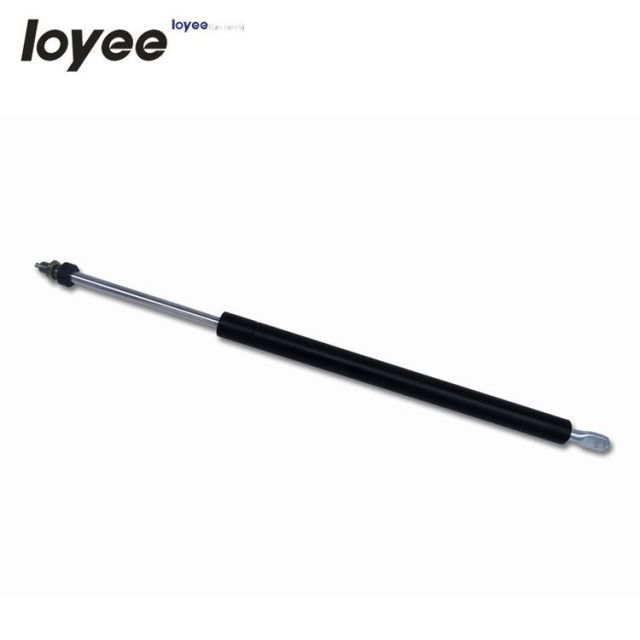
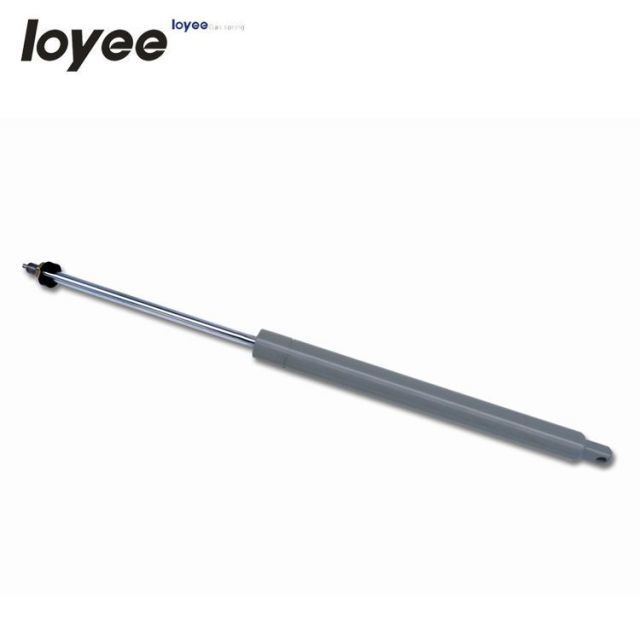
Gas springs, also known as gas struts, are hydraulic devices that utilize compressed gas to exert force. They are commonly used in furniture, automotive applications, and industrial machinery. Here, we will break down how gas springs function and the advantages they offer.
How Gas Springs Work
Gas springs consist of a cylinder filled with gas, typically nitrogen, and a piston. When the piston is compressed, the gas inside the cylinder exerts pressure, allowing controlled movement. This mechanism enables smooth lifting and lowering actions, making them ideal for beds that need to be elevated for storage access.
Advantages of Gas Springs in Bed Mechanisms
The benefits of gas springs go beyond mere functionality. They offer:
- **Smooth Operation:** Gas springs provide a controlled and soft motion, reducing wear and tear on the mechanism.
- **Space Efficiency:** Beds that utilize gas springs often have under-bed storage, maximizing space.
- **User-Friendly:** These springs facilitate easy opening and closing, making them suitable for users of all ages.
Environmental Benefits of Gas Springs
The environmental impact of bed lifting mechanism gas springs is a significant consideration in today's eco-conscious market. Let's explore the various ways these devices contribute positively to the environment.
Reduction of Material Waste
Gas springs are designed for longevity, meaning they reduce the frequency with which replacements are needed. Fewer replacements translate to less waste, benefiting the environment.
Energy Conservation
By optimizing the lifting mechanism, gas springs can lead to lower energy consumption, especially in electric beds. Their efficient design helps minimize the energy required for operation, contributing to sustainability efforts.
Lower Carbon Footprint
Manufacturers are increasingly adopting eco-friendly practices in producing gas springs. By using recyclable materials and reducing harmful emissions during production, gas springs help lower the overall carbon footprint associated with furniture manufacturing.
Sustainable Manufacturing Practices in Gas Springs
Sustainability begins at the manufacturing stage. This section outlines how gas springs are produced using environmentally friendly practices.
Use of Recyclable Materials
Many gas springs are designed with recyclable components, making them suitable for a circular economy. This approach ensures that materials can be repurposed rather than ending up in landfills.
Energy-Efficient Production Processes
Manufacturers are increasingly utilizing energy-efficient processes to produce gas springs. These practices not only reduce energy consumption but also ensure compliance with environmental regulations.
Responsible Sourcing of Raw Materials
Sourcing raw materials from sustainable suppliers is vital in reducing the environmental impact of gas springs. Manufacturers who prioritize responsible sourcing contribute to the preservation of natural resources.
Recycling and Disposal of Gas Springs
As gas springs reach the end of their lifespan, proper disposal and recycling become essential.
Recycling Programs
Many manufacturers have established recycling programs that allow consumers to return old gas springs for proper processing. This initiative encourages responsible disposal and minimizes environmental harm.
Effective Disposal Options
If recycling is not possible, gas springs should be disposed of in accordance with local regulations. This ensures that harmful materials do not contaminate the environment.
Energy Efficiency and Cost-Effectiveness
The integration of gas springs into bed mechanisms not only promotes sustainability but also offers energy efficiency and cost-effectiveness.
Long-Term Savings
While the initial investment in gas spring technology may be higher, the long-term savings on energy bills and maintenance make them a cost-effective choice.
Enhanced User Experience
Consumers benefit from the ease of use and reliability of gas springs, leading to greater satisfaction with their furniture purchases.
Comparison with Other Lifting Mechanisms
When evaluating bed lifting mechanisms, it's essential to compare gas springs with alternatives.
Gas Springs vs. Traditional Springs
Traditional springs can be less reliable and may require more maintenance. Gas springs, on the other hand, offer smoother operation and reduced wear on the lifting mechanism.
Gas Springs vs. Electric Mechanisms
Electric lifting mechanisms often consume more energy and can be more expensive to maintain. Gas springs provide a manual, low-energy alternative that still allows for ease of use.
Future Trends in Gas Spring Technology
As technology evolves, so do gas springs. This section will cover emerging trends that will shape the future of gas springs.
Smart Gas Springs
The integration of smart technology into gas springs is on the horizon. These advancements could enable automated adjustments and enhanced user control, further promoting energy efficiency.
Increased Focus on Sustainability
As environmental concerns grow, manufacturers will continue to prioritize sustainability in their production processes, leading to more eco-friendly gas spring options in the market.
Conclusion: The Sustainable Choice
The environmental impact of bed lifting mechanism gas springs presents a compelling case for their wider adoption. Their ability to enhance functionality while promoting sustainability makes them an ideal choice for both manufacturers and consumers. As we move toward a more eco-conscious future, embracing gas springs in furniture design is not just a practical decision but a sustainable one.
FAQs
1. What are gas springs, and how do they work?
Gas springs are hydraulic devices that use compressed gas to exert force, allowing for smooth lifting and lowering motions.
2. Are gas springs environmentally friendly?
Yes, gas springs are designed to be durable and recyclable, contributing to reduced waste and a lower carbon footprint.
3. How do gas springs compare to traditional lifting mechanisms?
Gas springs offer smoother operation, reduced maintenance, and better energy efficiency compared to traditional springs.
4. Can gas springs be recycled?
Yes, many manufacturers offer recycling programs for gas springs, ensuring responsible disposal and minimizing environmental impact.
5. What are the future trends in gas spring technology?
Future trends include the integration of smart technology and a greater emphasis on sustainable manufacturing practices, leading to improved eco-friendliness.
bed lifting mechanism gas spring
Latest information


Ever-improving quality and service is our commitment in daily operations.We strive to deliver high-quality products and exceptional service.
Gas spring
Quick link

Tel: +86-519-86483059
Fax: +86-519-86484613
Phone: +86-13906118963
Add: No.2 Longju Road.Wujin Hi-tech Lndustrial Zone.Changzhou.Jiangsu.China