


Understanding Tool Chest Gas Springs: Essential Insights for Professionals
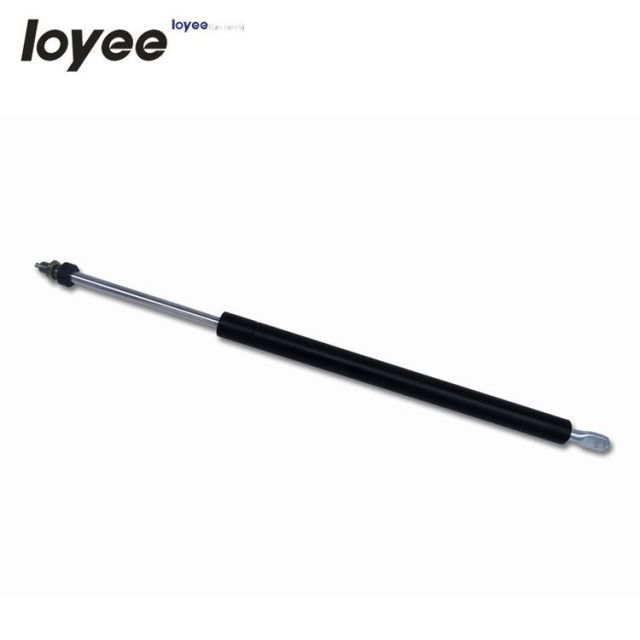
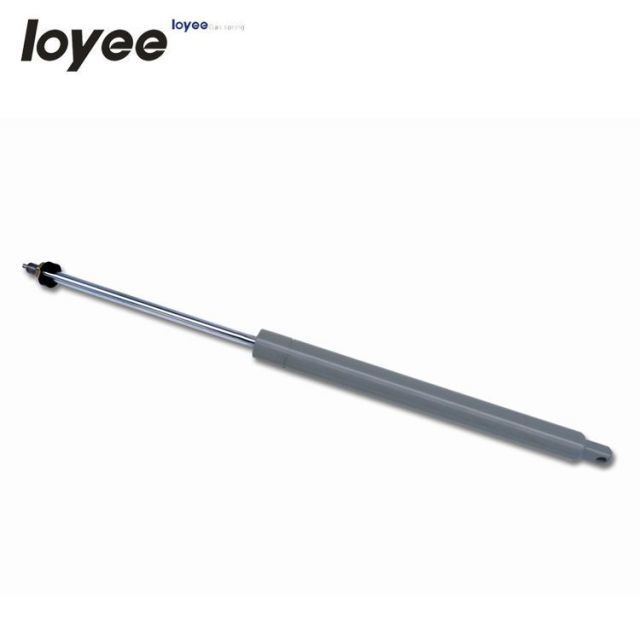
Gas springs are a crucial component in enhancing the usability and functionality of tool chests and cabinets. These devices utilize compressed gas to create a force that assists in opening and closing heavy lids or doors, offering significant advantages in terms of safety, convenience, and efficiency. Understanding tool chest gas springs is essential for professionals in the manufacturing sector,
Release time:
2026-06-04
The primary function of a tool chest gas spring is to provide controlled motion and support for the lid or door of the chest. When the lid is opened, the gas spring extends, helping to lift and hold it in place. This not only reduces the effort required from the user but also minimizes the risk of the lid slamming shut unexpectedly, which can lead to injuries and damage. As such, gas springs contribute to a safer working environment.
In the manufacturing process, selecting the appropriate gas spring is critical. Several factors must be considered, including the weight of the door or lid, the desired opening angle, and the space available for installation. Professionals should also take into account the environmental conditions where the tool chest will be used, as factors like temperature can affect the performance of gas springs. For instance, gas springs are available in various pressure ratings, and choosing the right one can significantly impact the operation and longevity of the tool chest.
Another important aspect to consider is the durability and maintenance of gas springs. High-quality gas springs are designed to withstand repetitive motion cycles and harsh working environments. Regular inspection and maintenance can extend their lifespan, ensuring that tool chests remain functional over time. Look for signs of wear, such as leaking gas or diminished lifting capacity, as these may indicate that a gas spring needs replacement.
Moreover, professionals should be aware of the different types of gas springs available. Variants such as locking gas springs, which can hold a position at various angles, and adjustable gas springs allow for customization depending on specific requirements. Understanding these options can help in selecting the best gas spring for your tool chest.
In conclusion, tool chest gas springs play a vital role in enhancing the functionality and safety of storage solutions in the manufacturing sector. By understanding their operation, selection criteria, and maintenance practices, professionals can ensure that their equipment remains efficient and safe for use.
tool chest gas spring
Latest information


Ever-improving quality and service is our commitment in daily operations.We strive to deliver high-quality products and exceptional service.
Gas spring
Quick link

Tel: +86-519-86483059
Fax: +86-519-86484613
Phone: +86-13906118963
Add: No.2 Longju Road.Wujin Hi-tech Lndustrial Zone.Changzhou.Jiangsu.China