


Terminal Locked Gas Spring — Reliable Force, Secure Positioning, and Enhanced Control for Precision Applications
Release time:
2025-11-27
A terminal locked gas spring is engineered to deliver stable support, controlled motion, and secure locking for equipment and structures that require precise positioning. As industries move toward safer, more efficient, and more ergonomic designs, the demand for advanced gas spring solutions continues to grow. The terminal locked gas spring meets these needs by combining smooth operation with a firm mechanical lock, ensuring dependable performance across industrial machinery, automotive systems, medical devices, furniture mechanisms, and specialized engineering equipment. Its main framework centers on consistent force output, long service life, and a high level of operational safety, enabling manufacturers to upgrade their product functionality with simple integration.
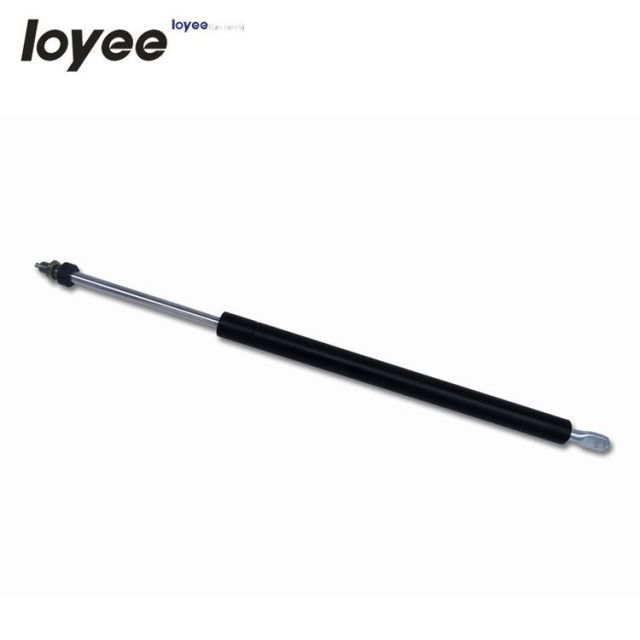
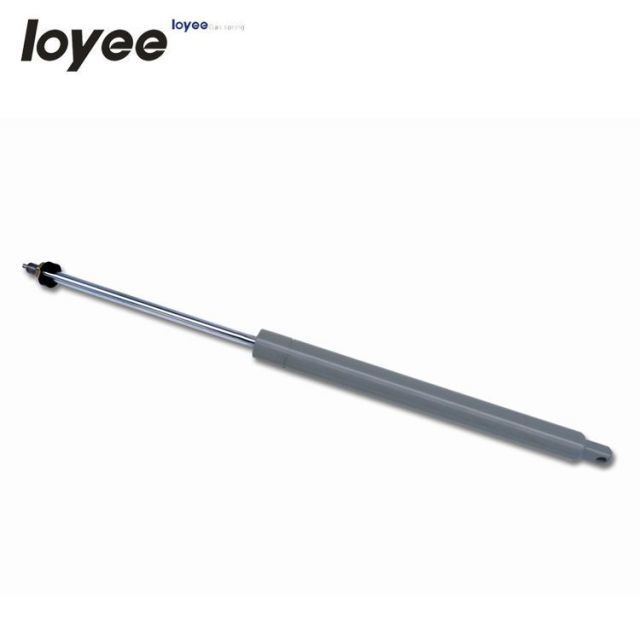
The structure of a terminal locked gas spring includes a pressure cylinder, piston rod, sealing system, and a specially designed locking mechanism located at the end position. This terminal lock allows the gas spring to remain firmly fixed once it reaches its fully extended length, providing maximum stability during use. The design not only enhances safety but also eliminates unwanted movement that can cause damage, misalignment, or operational hazards. The internal oil and gas mixture ensures smooth damping, quiet operation, and precise force control, making it suitable for delicate and high-load applications alike. The gas spring’s maintenance-free design further contributes to its cost-effectiveness and long-term reliability.
One of the key advantages of a terminal locked gas spring is its ability to maintain a secure hold under variable loads. This solves the common customer pain point of instability in equipment that relies on traditional hinges, mechanical locks, or springs that wear out quickly. The terminal lock effectively supports heavy panels, lids, hatches, and adjustable components without risk of collapse. It also enhances ergonomics by reducing the physical effort required for lifting or positioning. The user can operate equipment with minimal force, and once the gas spring reaches the extended position, the lock ensures the structure stays firmly in place. This level of control is especially important in medical beds, industrial cabinets, testing instruments, and mechanical workstations.

In practical applications, terminal locked gas springs provide clear advantages. In industrial machinery, they keep maintenance hatches securely open during repairs, preventing accidental falls that could injure workers. In automotive manufacturing, they support adjustable components, ensuring precision alignment and improved safety. In medical equipment, they stabilize adjustable sections such as bed platforms or examination tables. A real example is a packaging machine manufacturer that previously used manual locking rods, which were difficult to operate and prone to wear. After switching to terminal locked gas springs, the machine became easier to adjust, safer to use, and significantly more efficient, reducing downtime and improving operator comfort.
Overall, the terminal locked gas spring offers a powerful solution for companies seeking improved equipment safety, operational efficiency, and user-friendly design. By providing secure locking, smooth motion control, and durable performance, it directly addresses customer pain points such as instability, difficult lifting, and unreliable mechanical locks. Whether used in industrial systems, automotive components, or precision equipment, this gas spring delivers consistent value and long-term reliability.
Latest information


Ever-improving quality and service is our commitment in daily operations.We strive to deliver high-quality products and exceptional service.
Gas spring
Quick link

Tel: +86-519-86483059
Fax: +86-519-86484613
Phone: +86-13906118963
Add: No.2 Longju Road.Wujin Hi-tech Lndustrial Zone.Changzhou.Jiangsu.China