


Understanding Gas Struts for Furniture Lift Support: Essential Insights for Professionals
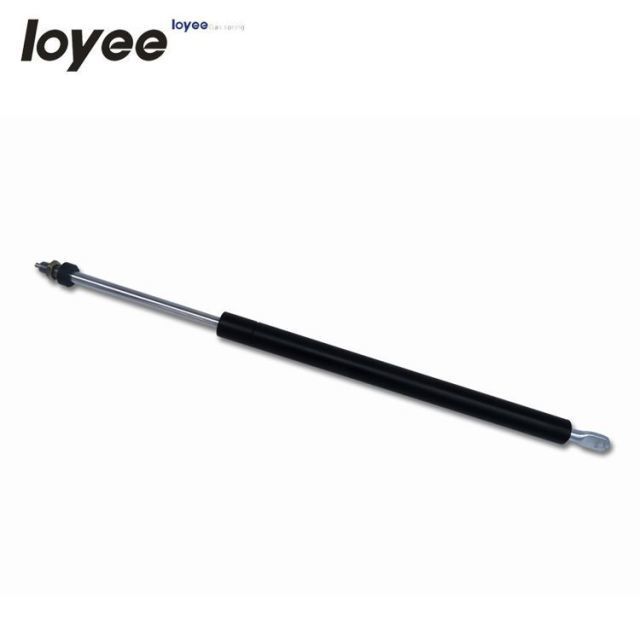
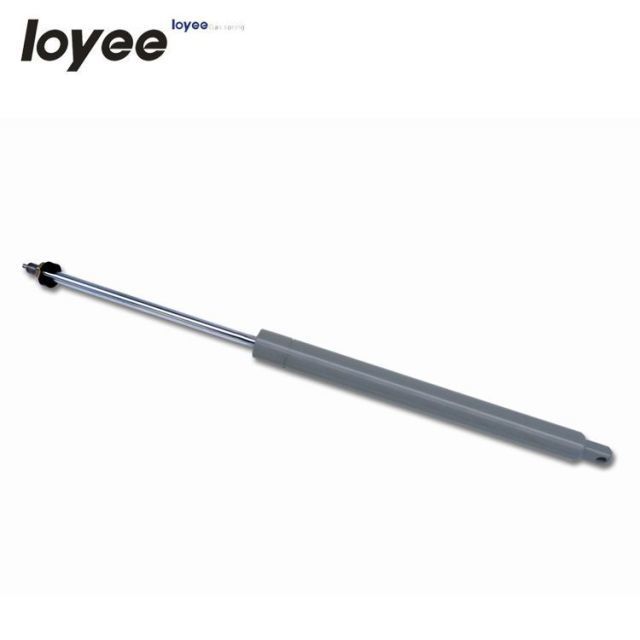
Gas struts, also known as gas springs or gas dampers, are critical components in modern furniture design, particularly for lift support applications. These devices utilize the principles of gas compression and pressure to provide controlled lifting and lowering mechanisms, making them ideal for various furniture pieces, including cabinets, desks, and beds. At the core of a gas strut is a cylinder
Release time:
2026-07-05
At the core of a gas strut is a cylinder filled with gas, typically nitrogen. When the strut is compressed, the gas inside is compressed, creating pressure that allows the strut to extend when released. This mechanism enables smooth and controlled motion, which is particularly beneficial for furniture pieces that require a lifting mechanism, such as a lift-top coffee table or a gas-lift bed frame.
One of the significant advantages of using gas struts in furniture design is their ability to provide a counterbalance to the weight of the furniture component. This counterbalancing effect not only makes it easier to lift and lower the furniture but also enhances user safety by reducing the risk of sudden drops. Additionally, gas struts are designed to be durable and can withstand repeated use without losing their effectiveness, making them a long-lasting solution in furniture manufacturing.
When selecting gas struts for lift support, professionals should consider several factors. First, it’s crucial to identify the weight of the furniture piece that the gas strut will support. Each strut has a specific load rating, and choosing the correct one ensures optimal performance and safety. Additionally, the length and stroke of the gas strut should match the design specifications of the furniture piece to achieve the desired range of motion.
Furthermore, the mounting orientations of the gas struts are essential for their functionality. Proper installation is vital for ensuring that the gas struts operate smoothly and efficiently. Professionals should refer to manufacturer guidelines and industry best practices to ensure correct positioning during assembly.
In conclusion, gas struts for furniture lift support play a pivotal role in enhancing functionality and user experience in modern furniture design. By understanding the mechanics and considerations behind these devices, industry professionals can make informed decisions that improve product quality and customer satisfaction. Whether designing new furniture or upgrading existing pieces, the integration of gas struts can lead to innovative solutions that meet contemporary consumer demands.
gas strut for furniture lift support
Latest information


Ever-improving quality and service is our commitment in daily operations.We strive to deliver high-quality products and exceptional service.
Gas spring
Quick link

Tel: +86-519-86483059
Fax: +86-519-86484613
Phone: +86-13906118963
Add: No.2 Longju Road.Wujin Hi-tech Lndustrial Zone.Changzhou.Jiangsu.China