


Optimizing Furniture Lift Support with Gas Struts: A Comprehensive Guide
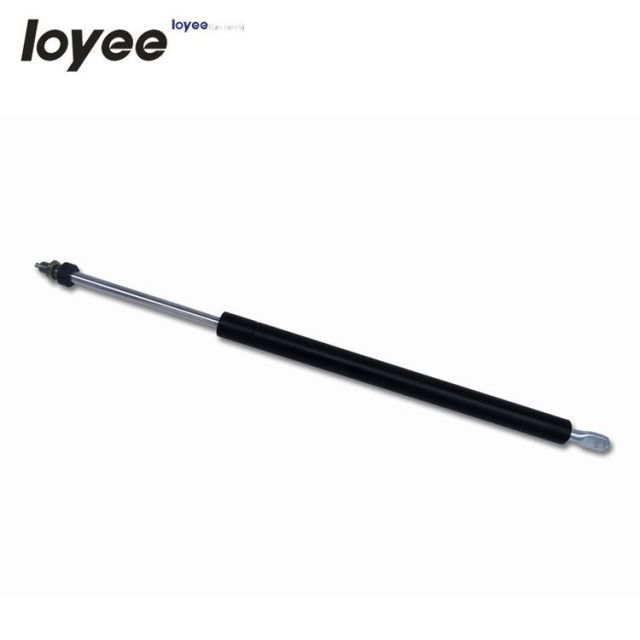
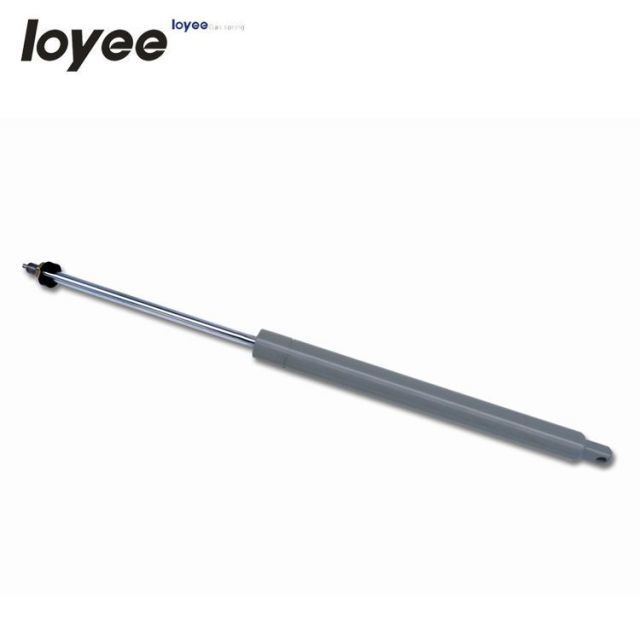
Gas struts, also known as gas springs or gas dampers, play a crucial role in providing lift support for furniture. These components are engineered to offer controlled motion, ensuring smooth and safe operation for various types of furniture, including cabinets, desks, and reclining chairs. The mechanism of gas struts involves a sealed cylinder filled with gas, typically nitrogen, which allows for
Release time:
2026-05-13
The primary advantage of using gas struts in furniture design lies in their ability to provide adjustable support and cushioning. This means that users can easily lift and lower panels or surfaces without excessive effort, enhancing the overall user experience. The force generated by a gas strut can be designed to accommodate specific weight loads, making them versatile for different furniture applications. By selecting the appropriate gas strut for your design, you can ensure that the lift support is both functional and tailored to your needs.
Moreover, gas struts contribute significantly to the longevity and durability of furniture. Their construction allows for a smooth operation without the wear and tear commonly associated with traditional mechanical hinges or lifts. This durability is essential for furniture that undergoes frequent use, as it reduces the need for maintenance or replacement.
When integrating gas struts for furniture lift support, several factors should be considered. First, the weight of the furniture or component being lifted must be accurately assessed to select the appropriate strut with the right force rating. Additionally, the mounting positions and angles of the struts should be carefully planned to achieve optimal functionality. Proper installation is key; ensuring that the struts are securely attached will prevent premature wear and enhance safety during operation.
In terms of applications, gas struts are widely used in a range of furniture designs, from office desks with lift-top mechanisms to storage ottomans that require easy access to hidden compartments. The flexibility of gas struts allows designers to innovate, creating multi-functional furniture that caters to modern living spaces.
In conclusion, gas struts for furniture lift support are an essential component for enhancing functionality and user experience in furniture design. Their ability to provide controlled motion, durability, and adaptability makes them an ideal choice for manufacturers looking to improve their products. Understanding how to effectively implement gas struts can lead to more innovative and user-friendly furniture solutions.
gas strut for furniture lift support
Latest information


Ever-improving quality and service is our commitment in daily operations.We strive to deliver high-quality products and exceptional service.
Gas spring
Quick link

Tel: +86-519-86483059
Fax: +86-519-86484613
Phone: +86-13906118963
Add: No.2 Longju Road.Wujin Hi-tech Lndustrial Zone.Changzhou.Jiangsu.China