


The Essential Guide to Gas Springs for Folding Bed Mechanisms
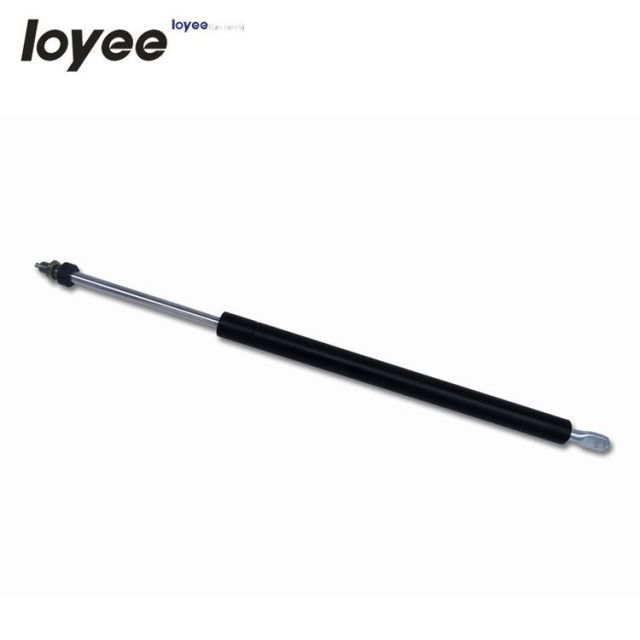
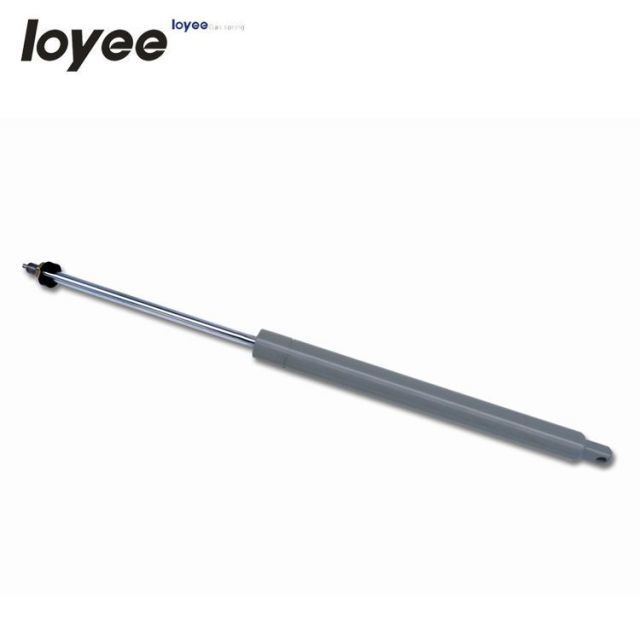
Gas springs are an indispensable component in the mechanics of folding bed mechanisms, serving to enhance usability and efficiency. These devices, often referred to as gas struts or gas lifts, are designed to assist in the smooth operation of folding beds, providing controlled motion and support. Understanding their function and benefits can significantly improve the design and performance of fold
Release time:
2026-03-30
At the core of a gas spring's operation is the principle of gas compression. Inside each gas spring is a piston filled with gas, usually nitrogen, which is sealed within a cylinder. When pressure is applied, the gas compresses, allowing the piston to move smoothly within the cylinder. This mechanism provides the necessary force to lift or lower the bed with minimal effort, ensuring that the user can operate the bed with ease. This feature is especially beneficial in spaces where convenience and functionality are paramount.
One of the key advantages of utilizing gas springs in folding bed mechanisms is their ability to provide adjustable resistance. This characteristic allows manufacturers to tailor the lifting force to match the weight of the bed frame and mattress, ensuring optimal performance. For example, a heavier mattress may require a stronger gas spring to facilitate easy operation. Therefore, when selecting gas springs, it is crucial to consider factors such as weight capacity, stroke length, and mounting options to ensure proper compatibility with your folding bed design.
Durability is another essential aspect of gas springs. They are engineered to withstand repeated use, making them ideal for furnishings that experience daily operation. Manufacturers often subject gas springs to rigorous testing to ensure they can perform reliably over an extended period. This reliability contributes to the overall longevity of the folding bed mechanism, reducing maintenance costs and enhancing user satisfaction.
Furthermore, gas springs contribute to safety in folding bed mechanisms. They can be designed with features that prevent sudden falls or collapses, ensuring that users can operate the bed without fear of injury. Safety is a crucial consideration in any design, particularly in products intended for regular use.
In conclusion, gas springs play a pivotal role in the functionality of folding bed mechanisms. Their ability to provide controlled motion, adjustability, durability, and safety makes them an essential component in the design of modern folding beds. By understanding the various attributes and considerations involved in selecting the right gas springs, manufacturers and designers can create products that meet user needs efficiently and effectively. Whether you're designing a new folding bed or improving an existing one, incorporating the right gas spring will undoubtedly enhance its performance and usability.
gas spring for folding bed mechanisms
Latest information


Ever-improving quality and service is our commitment in daily operations.We strive to deliver high-quality products and exceptional service.
Gas spring
Quick link

Tel: +86-519-86483059
Fax: +86-519-86484613
Phone: +86-13906118963
Add: No.2 Longju Road.Wujin Hi-tech Lndustrial Zone.Changzhou.Jiangsu.China