


Understanding Tool Chest Gas Springs: A Key Component in Manufacturing
In the world of manufacturing and mechanical processing, efficiency and ease of use are paramount. One often-overlooked component that plays a significant role in enhancing functionality is the tool chest gas spring. These innovative devices are designed to assist users in safely opening and closing tool chests, cabinets, and other structures. Understanding the intricacies of tool chest gas spring
Release time:
2026-03-24
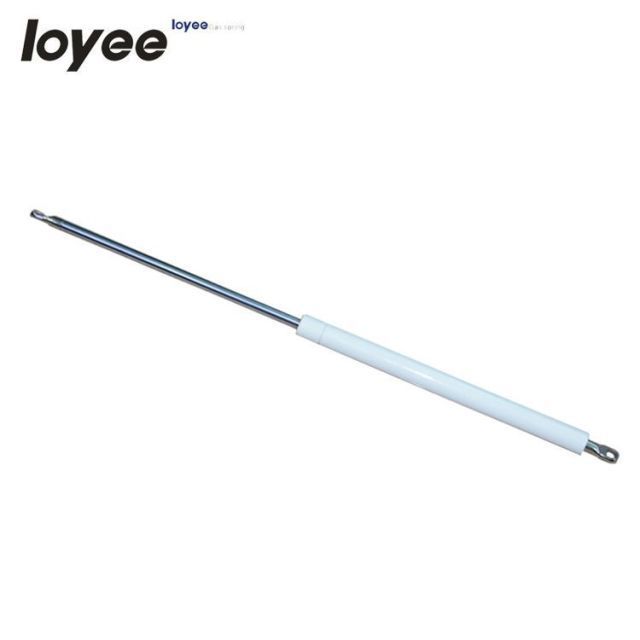
At its core, a tool chest gas spring is a type of gas-filled cylinder that utilizes compressed gas to create a lifting force. This technology allows for the smooth and controlled motion of lids, doors, and compartments. When the tool chest is opened, the gas spring extends, counterbalancing the weight of the lid. This mechanism not only makes it easier to open and close heavy compartments but also ensures that they remain in an open position without requiring excessive force.
One of the primary advantages of tool chest gas springs is their ability to provide consistent support throughout the entire range of motion. Unlike traditional mechanical hinges, which may wear out over time or lose their effectiveness, gas springs maintain their performance, offering reliability and durability. This feature is particularly important in professional environments, where tool chests are frequently accessed and used.
Additionally, tool chest gas springs come in various sizes and configurations, making them adaptable to a wide range of applications. Whether you’re designing a new tool chest or retrofitting an existing one, choosing the right gas spring is crucial. Factors such as the weight of the lid, the desired opening angle, and the required speed of operation must all be considered to ensure optimal performance.
Moreover, these gas springs can be easily installed and replaced, which minimizes downtime and maintenance costs. Their straightforward design allows for quick adjustments if the lifting force needs to be changed, catering to different weights and user preferences. Many manufacturers offer customizable options, enabling professionals to tailor gas springs to fit specific needs, thus enhancing functionality.
In conclusion, tool chest gas springs are invaluable components within the manufacturing and mechanical processing sectors. Their unique design and reliability provide numerous benefits, including ease of use, adaptability, and longevity. By understanding their functionality and applications, professionals can make informed decisions that enhance operational efficiency and improve workplace ergonomics. Investing in quality tool chest gas springs not only facilitates smoother operations but also contributes to a safer working environment by reducing the risk of injury associated with manual lifting and closing.
tool chest gas spring
Latest information



Ever-improving quality and service is our commitment in daily operations.We strive to deliver high-quality products and exceptional service.
Gas spring
Quick link

Tel: +86-519-86483059
Fax: +86-519-86484613
Phone: +86-13906118963
Add: No.2 Longju Road.Wujin Hi-tech Lndustrial Zone.Changzhou.Jiangsu.China