


Understanding Gas Struts for Furniture Lift Support: A Comprehensive Guide
Gas struts, often referred to as gas springs or gas lift supports, are essential components in modern furniture design, particularly in items that require lifting mechanisms such as adjustable tables, desk lifts, and storage compartments. These devices utilize compressed gas within a cylinder to provide support and control motion, making them ideal for various furniture applications. Understanding
Release time:
2026-03-18
One of the primary advantages of gas struts is their ability to facilitate smooth and controlled movement. When applied correctly, these struts can support heavy loads while allowing for effortless lifting and lowering. This is particularly beneficial in furniture designs that prioritize user convenience and ergonomic functionality. For instance, a gas strut can enable a user to effortlessly lift a heavy tabletop or open a storage lid with minimal physical strain, improving the overall user experience.
Moreover, gas struts are highly customizable. They come in various sizes, force ratings, and configurations, making them suitable for different types of furniture and design requirements. Manufacturers can select struts based on the weight they need to support and the range of motion required. This versatility ensures that furniture can be designed not only for aesthetics but also for practicality and ease of use.
In terms of durability, gas struts are built to withstand repeated use, making them a reliable choice for both residential and commercial furniture. Their construction allows for long-lasting performance, thereby reducing the need for frequent replacements and maintenance. Additionally, many gas struts are designed to be resistant to external factors such as temperature changes and humidity, further enhancing their lifespan and reliability.
The integration of gas struts in furniture design also contributes to safety. With features that control the speed of movement and prevent sudden drops, gas struts help mitigate the risks associated with heavy lifting. This is particularly important in environments such as offices or homes where users may not always be prepared for the weight of a lifting mechanism.
In conclusion, gas struts for furniture lift support play a crucial role in modern furniture design, offering benefits that range from enhanced usability to increased safety and durability. By understanding how these components operate and their applications, professionals in the manufacturing and mechanical sectors can leverage gas struts to create innovative, user-friendly furniture solutions that meet the demands of today's consumers. Embracing this technology can lead to significant improvements in product offerings and overall customer satisfaction.
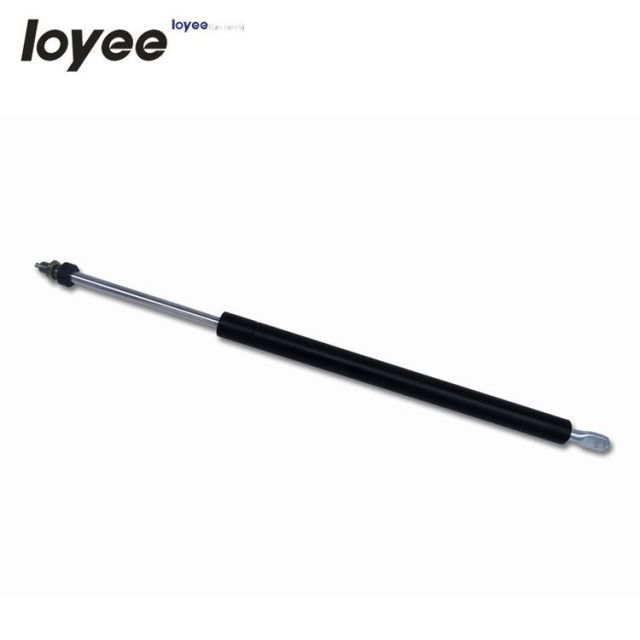
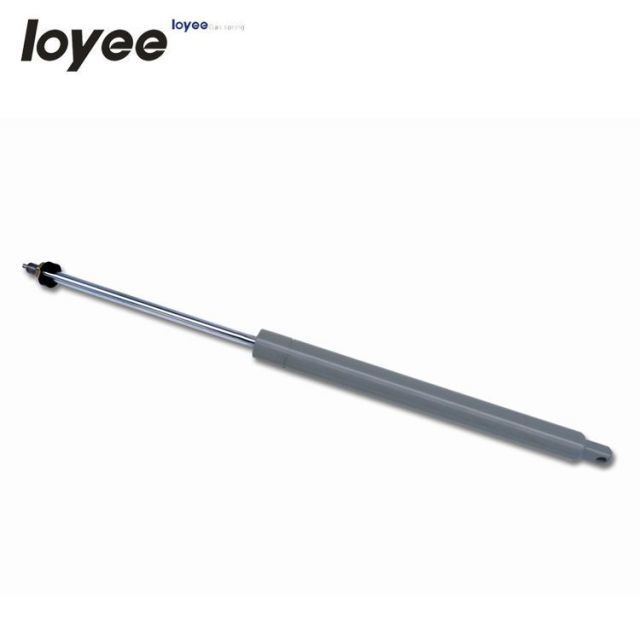
gas strut for furniture lift support
Previous Page
Latest information


Ever-improving quality and service is our commitment in daily operations.We strive to deliver high-quality products and exceptional service.
Gas spring
Quick link

Tel: +86-519-86483059
Fax: +86-519-86484613
Phone: +86-13906118963
Add: No.2 Longju Road.Wujin Hi-tech Lndustrial Zone.Changzhou.Jiangsu.China