


Understanding Tool Chest Gas Springs: Essential Components for Optimal Functionality
Gas springs are essential components in various applications, including tool chests, where they play a crucial role in ensuring the smooth opening and closing of lids or doors. A gas spring operates on the principle of gas compression, utilizing a sealed cylinder filled with gas (commonly nitrogen) to provide resistance and support. This mechanism allows for controlled movements, making it easier
Release time:
2026-03-06
When it comes to tool chests, the integration of gas springs significantly enhances usability and functionality. These springs facilitate the effortless lifting of the lid, enabling users to access tools and materials without straining or risking injury. Additionally, they provide stability to the lid in any position, allowing for hands-free access while working. This feature is particularly beneficial in a workshop environment, where efficiency and safety are paramount.
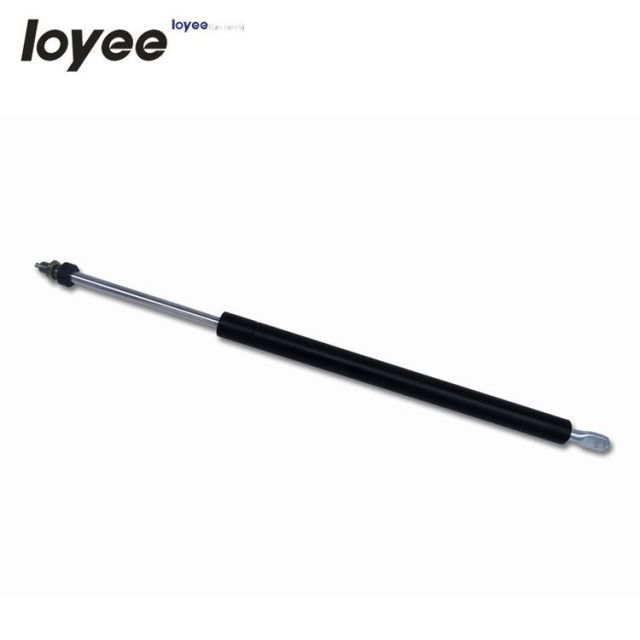
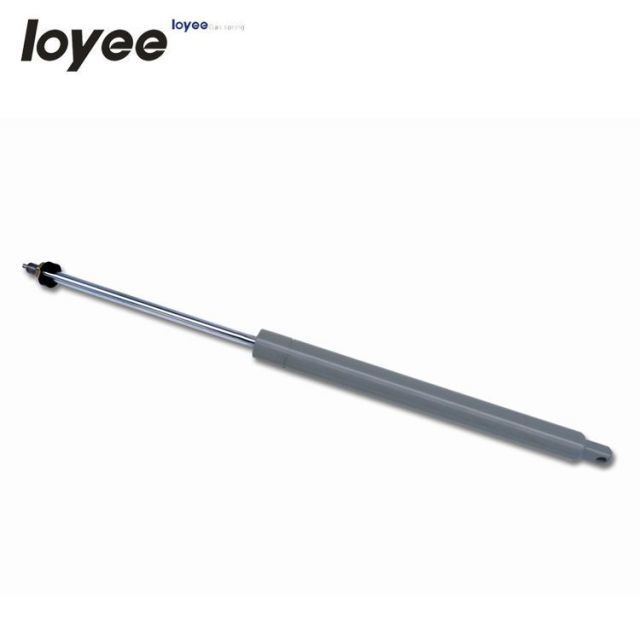
The construction of a tool chest gas spring typically involves a rod, a cylinder, and a seal. The rod extends and retracts within the cylinder, and as it does so, the gas inside is compressed or decompressed, generating the force needed for smooth operation. Factors such as the length of the rod, the diameter of the cylinder, and the amount of gas contained determine the force the gas spring can exert. Therefore, it's essential to choose the right specifications for your specific tool chest to ensure optimal performance.
Maintenance of gas springs is relatively straightforward, which is advantageous for users. Regular inspections are recommended to check for any signs of wear or damage, such as leaks or corrosion. If a gas spring fails, it can lead to operational difficulties, as the lid may not stay open or could drop unexpectedly. Therefore, understanding the lifespan and replacement requirements of these components is crucial for maintaining a functional tool chest.
In summary, a tool chest gas spring is a vital component that enhances the functionality and safety of tool storage solutions. Its ability to provide controlled movements and support heavy lids makes it an indispensable part of the manufacturing and mechanical industries. By familiarizing yourself with the workings and maintenance of gas springs, you can ensure the longevity and efficiency of your tool chest, ultimately contributing to a safer and more productive work environment.
tool chest gas spring
Latest information


Ever-improving quality and service is our commitment in daily operations.We strive to deliver high-quality products and exceptional service.
Gas spring
Quick link

Tel: +86-519-86483059
Fax: +86-519-86484613
Phone: +86-13906118963
Add: No.2 Longju Road.Wujin Hi-tech Lndustrial Zone.Changzhou.Jiangsu.China