


Understanding Tool Chest Gas Springs: Essential Insights for Manufacturing Professionals
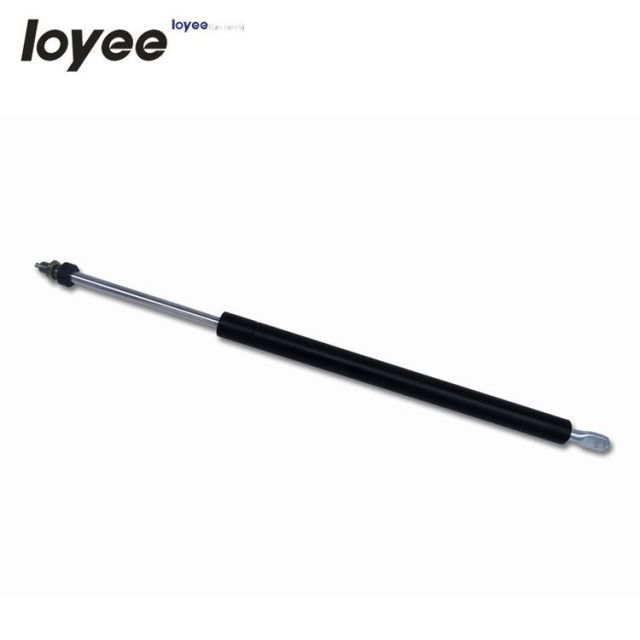
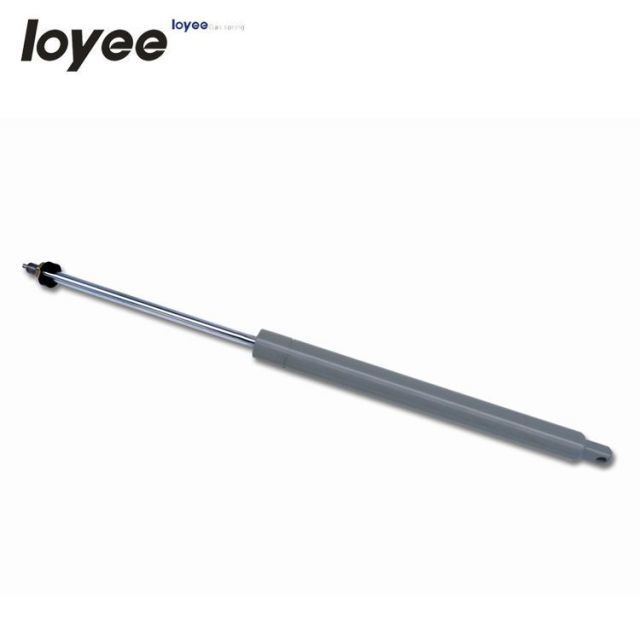
Gas springs, commonly found in tool chests, are crucial components that enhance usability and safety. These innovative devices utilize compressed gas to provide a controlled force, allowing for smooth opening and closing of lids or drawers in tool storage solutions. Understanding the functionality and benefits of tool chest gas springs is essential for professionals in the manufacturing and mechan
Release time:
2026-02-22
A gas spring consists of a sealed cylinder containing gas, typically nitrogen, which is pressurized. When the piston rod is extended or retracted, the gas exerts a force that aids movement. This mechanism allows for controlled motion, which is particularly important in tool chests where heavy lids or drawers could otherwise pose safety risks. The design of these springs ensures that they can handle varying weights and dimensions, making them versatile for different tool chest models.
In the manufacturing of tool chest gas springs, several factors must be considered. The selection of materials is critical, as it impacts both the durability and performance of the spring. High-quality steel is often used for the cylinder and piston rod to withstand the pressures involved. Additionally, the seals must be designed to prevent gas leakage, which is vital for maintaining the spring’s functionality over time.
Another important consideration is the force rating of the gas spring. This parameter indicates how much weight the spring can support or assist. When designing a tool chest, it's essential to match the gas spring's force rating with the weight of the lid or drawer. An improperly rated gas spring can lead to insufficient support or excessive force, leading to potential damage or safety hazards.
Furthermore, gas springs can be adjusted to meet specific requirements. Many manufacturers provide options for customizing the force settings, allowing for fine-tuning based on the tool chest's application. This adaptability makes gas springs a preferred choice in designing ergonomic and user-friendly tool storage solutions.
In addition to aiding movement, tool chest gas springs contribute to the overall efficiency of workspace organization. By making access to tools easier, they facilitate faster workflow and enhance productivity. Manufacturers are increasingly integrating these components into their designs to meet the evolving needs of professionals who rely on tool chests for organization and efficiency.
In conclusion, tool chest gas springs are vital components in the design of efficient and safe tool storage solutions. Understanding their functionality, design considerations, and applications allows professionals in the manufacturing industry to make informed decisions and enhance their products. With ongoing advancements in materials and technology, the future of gas springs in tool chests looks promising, providing enhanced performance and reliability for users.
tool chest gas spring
Latest information


Ever-improving quality and service is our commitment in daily operations.We strive to deliver high-quality products and exceptional service.
Gas spring
Quick link

Tel: +86-519-86483059
Fax: +86-519-86484613
Phone: +86-13906118963
Add: No.2 Longju Road.Wujin Hi-tech Lndustrial Zone.Changzhou.Jiangsu.China