


Understanding Gas Struts for Furniture Lift Support
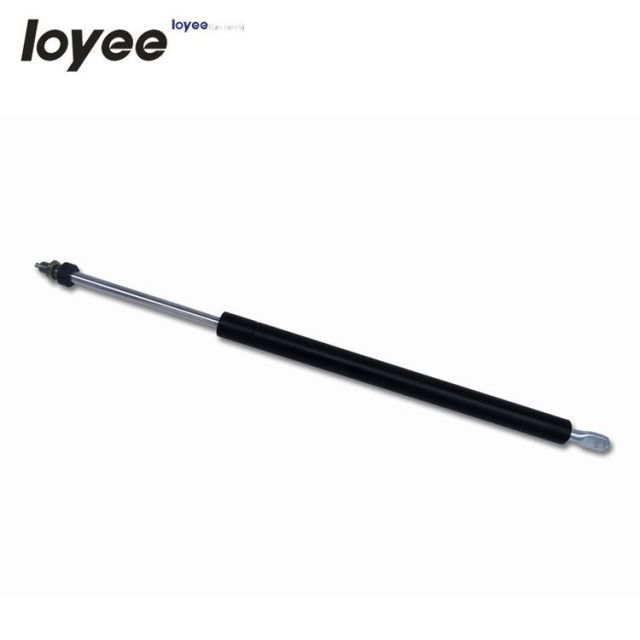
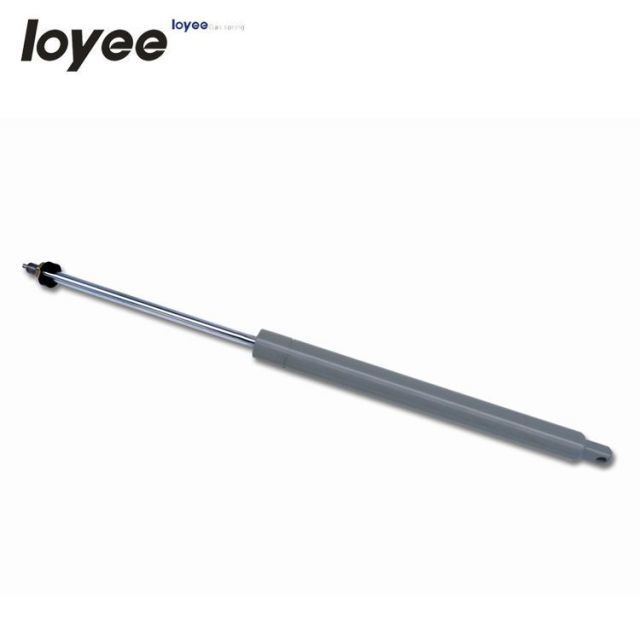
Gas struts, also known as gas springs, are mechanical devices that utilize gas compression to provide support and control motion in various applications. In the context of furniture lift support, gas struts are crucial components that facilitate the smooth and safe lifting of heavy items, making them an indispensable feature in modern furniture design. The primary function of gas struts is to prov
Release time:
2026-02-06
The primary function of gas struts is to provide a counterbalance to the weight of the furniture piece, enabling easy opening and closing. This is particularly beneficial for items such as lift-top coffee tables, storage ottomans, and adjustable height desks. With the incorporation of gas struts, these pieces can be lifted effortlessly, allowing users to access hidden storage compartments or adjust working heights without straining their backs or risking injury.
One of the key benefits of gas struts is their ability to provide controlled motion. Unlike traditional mechanical springs, which can be jerky and unpredictable, gas struts allow for gradual and smooth movement. This is especially important in furniture applications, where safety and user comfort are paramount. The damping effect of gas struts ensures that lids and panels do not slam shut, reducing the risk of accidents and improving the overall user experience.
When selecting gas struts for furniture lift support, several factors must be considered. First, it is essential to determine the weight capacity required for the specific application. Gas struts are available in various force ratings, which define how much weight they can support. It is vital to match the strut's force rating with the weight of the furniture piece to ensure optimal performance and safety.
Another aspect to consider is the stroke length of the gas strut, which defines how far the strut can extend and retract. The stroke length should be chosen based on the design of the furniture and the required lifting height. Additionally, the mounting style and orientation of the gas struts must align with the furniture design to function correctly.
Gas struts are fabricated from durable materials, typically featuring a metal cylinder filled with nitrogen gas. Their sealed construction protects them from environmental factors, ensuring longevity and consistent performance even in high-use settings. Regular maintenance, such as checking for leaks and ensuring proper mounting, can further extend the lifespan of gas struts in furniture applications.
In summary, gas struts play a vital role in enhancing the functionality and safety of furniture lift support systems. By understanding their operation and the factors to consider when selecting them, manufacturers and consumers alike can make informed decisions that improve the usability and design of their furniture. Whether you're designing a new piece or upgrading an existing one, incorporating gas struts can significantly elevate the overall experience.
gas strut for furniture lift support
Latest information


Ever-improving quality and service is our commitment in daily operations.We strive to deliver high-quality products and exceptional service.
Gas spring
Quick link

Tel: +86-519-86483059
Fax: +86-519-86484613
Phone: +86-13906118963
Add: No.2 Longju Road.Wujin Hi-tech Lndustrial Zone.Changzhou.Jiangsu.China