


Enhancing Efficiency: Understanding Tool Chest Gas Springs
In the realm of manufacturing and mechanical processing, tool chest gas springs play a pivotal role in optimizing workspace efficiency. These gas springs are designed to assist in the controlled opening and closing of tool chest lids, providing both convenience and safety for users. Understanding the mechanics and benefits of these components can significantly enhance operational workflows. Tool c
Release time:
2026-01-29
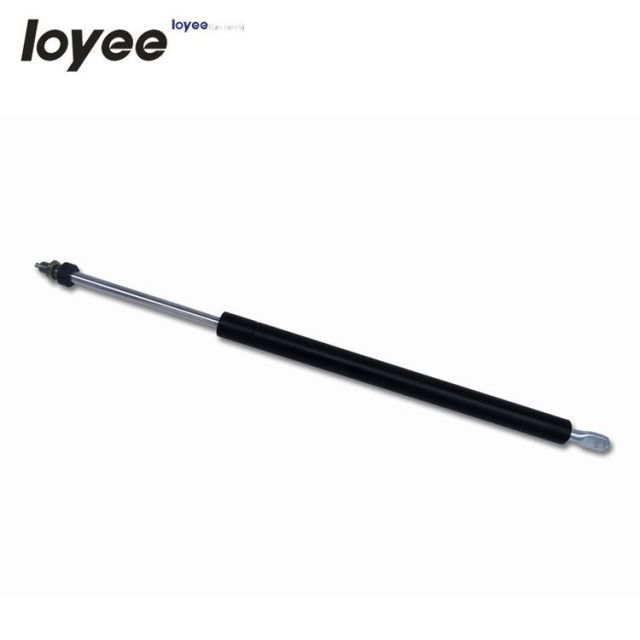
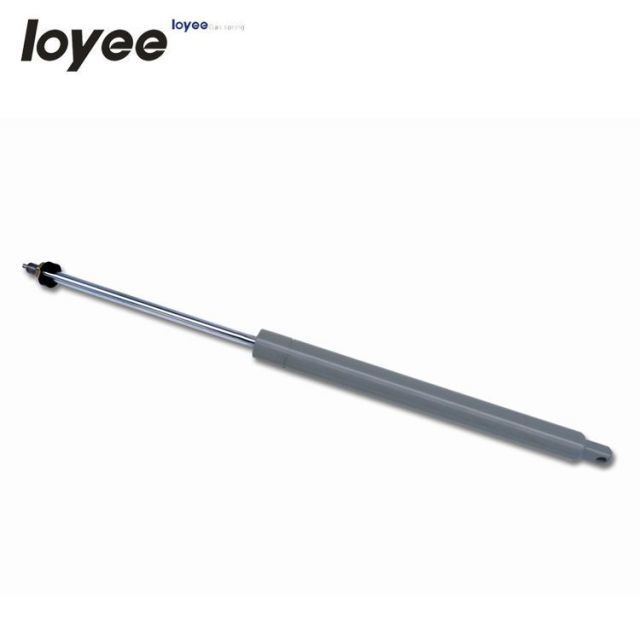
Tool chest gas springs utilize a pressurized gas contained within a cylinder to create a force that aids in lifting the lid of the tool chest. When the lid is raised, the gas expands, pushing the piston and providing a lifting force that counteracts the weight of the lid. This mechanism not only reduces the physical effort required to open heavy lids but also ensures a smooth and controlled motion, minimizing the risk of injury.
One of the primary advantages of integrating gas springs into tool chests is the enhanced safety they provide. By employing these components, users can prevent abrupt lid closures that could cause accidents or damage to tools. The controlled motion offered by gas springs allows for safe access to tools, enabling users to work more efficiently without the distraction of worrying about the tool chest lid.
Another significant benefit is the optimization of space. Tool chests equipped with gas springs can be designed to open at various angles, accommodating tight workspaces and allowing for better accessibility to tools. This flexibility can be particularly advantageous in workshops where space is at a premium. Additionally, the lightweight nature of gas springs ensures that they do not add excessive weight to the tool chest, allowing for easier mobility when needed.
When selecting gas springs for tool chests, it is essential to consider factors such as the weight of the lid, the desired opening angle, and the overall design of the tool chest. Properly matched gas springs will ensure optimal performance and longevity, ultimately contributing to a more efficient workspace.
In summary, tool chest gas springs are a vital component for enhancing the functionality and safety of tool storage solutions. By enabling smooth and controlled lid movement, these springs not only improve user experience but also contribute to a more organized and accessible workspace. For professionals in the manufacturing and mechanical industries, understanding and leveraging the advantages of gas springs can lead to significant improvements in productivity and safety. Whether you are designing a new tool chest or upgrading an existing one, investing in quality gas springs is a step toward greater efficiency in your operations.
tool chest gas spring
Latest information


Ever-improving quality and service is our commitment in daily operations.We strive to deliver high-quality products and exceptional service.
Gas spring
Quick link

Tel: +86-519-86483059
Fax: +86-519-86484613
Phone: +86-13906118963
Add: No.2 Longju Road.Wujin Hi-tech Lndustrial Zone.Changzhou.Jiangsu.China