


Understanding the Role of Tool Chest Gas Springs in Manufacturing
--- When it comes to the manufacturing and mechanical processing sectors, tool chest gas springs play a pivotal role in ensuring functionality, safety, and convenience in various applications. These gas springs, often found in tool chests and storage solutions, are designed to assist in the controlled opening and closing of lids or panels. With their ability to provide a smooth and effortless moti
Release time:
2026-01-14
When it comes to the manufacturing and mechanical processing sectors, tool chest gas springs play a pivotal role in ensuring functionality, safety, and convenience in various applications. These gas springs, often found in tool chests and storage solutions, are designed to assist in the controlled opening and closing of lids or panels. With their ability to provide a smooth and effortless motion, they enhance user experience while offering practical benefits for manufacturers and end-users alike.
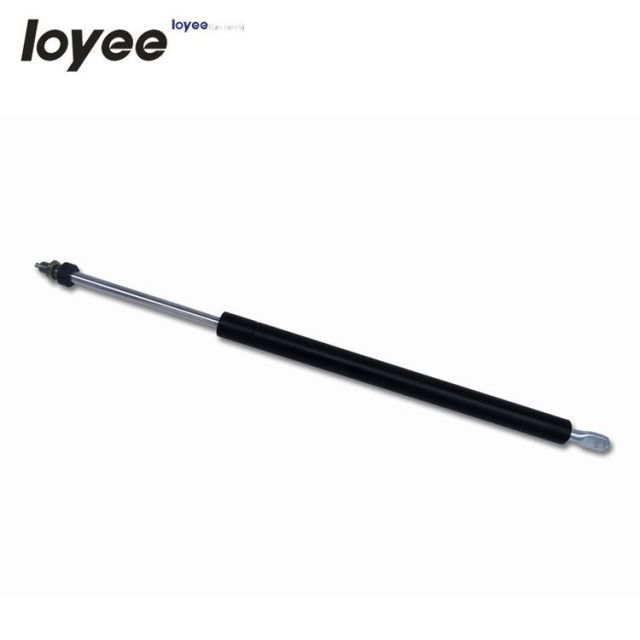
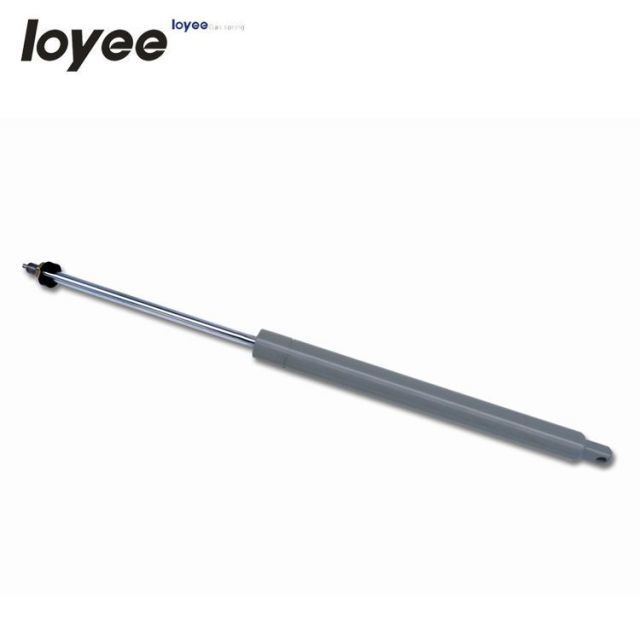
Tool chest gas springs operate using compressed gas contained within a sealed cylinder. This design allows them to support heavy lids or doors with minimal effort. When the lid is lifted, the gas inside the spring compresses, allowing for a gradual and controlled motion. As the lid is lowered, the gas expands, providing resistance that aids in a smooth closing action. This mechanism is not only efficient but also significantly reduces the risk of injury caused by sudden closures, making it a preferred choice in various industrial settings.
One of the primary advantages of using tool chest gas springs is their ability to enhance ergonomics. By assisting in the opening and closing of heavy compartments, gas springs minimize the physical strain on users, thereby improving productivity and safety. In environments where tool chests are frequently accessed, such as workshops and manufacturing floors, this feature becomes invaluable. It ensures that workers can focus on their tasks without the distraction of cumbersome equipment.
Moreover, tool chest gas springs are designed to be durable and reliable. Built to withstand repeated use, they often feature corrosion-resistant finishes, ensuring longevity even in challenging environments. This durability translates to lower maintenance costs for manufacturers, as fewer replacements are needed over time. Additionally, the simplicity of their installation makes them an excellent choice for both new designs and retrofitting existing equipment.
In terms of application, tool chest gas springs are not limited to standard tool chests. They find uses in a variety of storage solutions, including cabinets, drawers, and specialized equipment. Their versatility enables manufacturers to incorporate them into a range of products, increasing the overall functionality and appeal of their offerings.
In conclusion, tool chest gas springs represent a crucial innovation in the manufacturing and mechanical processing industries. Their ability to improve ergonomics, enhance safety, and provide lasting durability makes them an essential component for tool storage solutions. By integrating these gas springs into their products, manufacturers can ensure a better user experience while also optimizing their operational efficiency. Understanding how these springs work and their benefits can lead to better product design and improved worker satisfaction in any manufacturing environment.
tool chest gas spring
Latest information


Ever-improving quality and service is our commitment in daily operations.We strive to deliver high-quality products and exceptional service.
Gas spring
Quick link

Tel: +86-519-86483059
Fax: +86-519-86484613
Phone: +86-13906118963
Add: No.2 Longju Road.Wujin Hi-tech Lndustrial Zone.Changzhou.Jiangsu.China