


The Essential Guide to Gas Struts for Furniture Lift Support
Gas struts, also known as gas springs, play a vital role in providing lift support for various types of furniture. These mechanical devices utilize compressed gas to generate force, enabling smooth and controlled movement of furniture elements such as lids, lift tables, and recliners. Understanding how gas struts function and their advantages can help both manufacturers and consumers make informed
Release time:
2025-12-14
The primary mechanism behind gas struts involves a sealed cylinder filled with gas, usually nitrogen. When the strut is compressed, the gas expands, pushing the rod out of the cylinder. This action creates a lifting force, allowing furniture to be raised or lowered with minimal effort. One of the key benefits of using gas struts for furniture lift support is their ability to provide consistent and adjustable lifting force. This feature is particularly important in applications where weight distribution varies, ensuring that the furniture operates smoothly regardless of the load it carries.
Moreover, gas struts are designed to withstand repeated use, making them a durable choice for furniture lift support. They are built to resist wear and tear, providing long-lasting functionality. This durability is essential for furniture that experiences frequent movement, such as recliners or dining tables with lift mechanisms.
In terms of design flexibility, gas struts offer a variety of sizes and force ratings, allowing manufacturers to customize their products to meet specific needs. Whether it’s a compact coffee table or a larger entertainment unit, there is likely a gas strut option that can accommodate the design requirements. Additionally, the installation process for gas struts is typically straightforward, which can save time and effort during furniture assembly.
Gas struts are also increasingly popular due to their contribution to ergonomic design. By providing support for lifting and lowering furniture components, they help reduce the physical strain on users. This aspect is particularly beneficial for elderly individuals or those with mobility challenges, making it easier for them to access stored items without the risk of injury.
In summary, gas struts for furniture lift support are indispensable components in modern furniture design, offering functionality, durability, and ergonomic advantages. By understanding their operation and benefits, manufacturers and consumers can better appreciate the role these devices play in enhancing everyday furniture usage. Whether you are designing new furniture or looking to upgrade existing pieces, consider the added convenience and performance that gas struts can provide for your lift mechanisms.
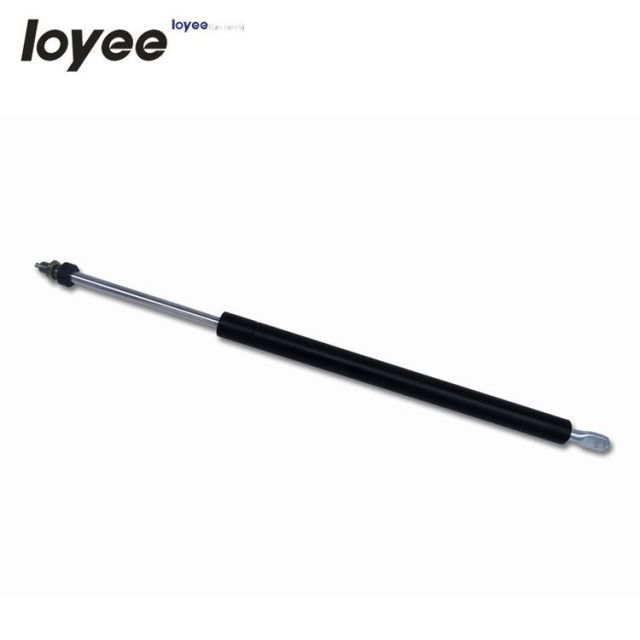
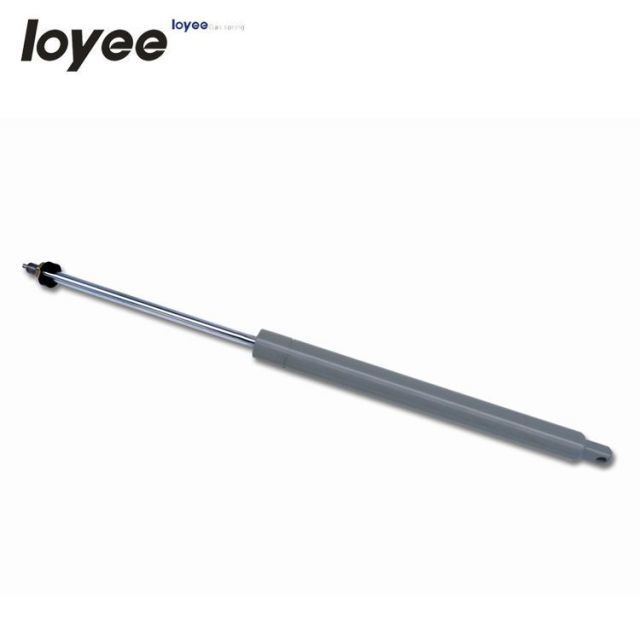
gas strut for furniture lift support
Latest information


Ever-improving quality and service is our commitment in daily operations.We strive to deliver high-quality products and exceptional service.
Gas spring
Quick link

Tel: +86-519-86483059
Fax: +86-519-86484613
Phone: +86-13906118963
Add: No.2 Longju Road.Wujin Hi-tech Lndustrial Zone.Changzhou.Jiangsu.China